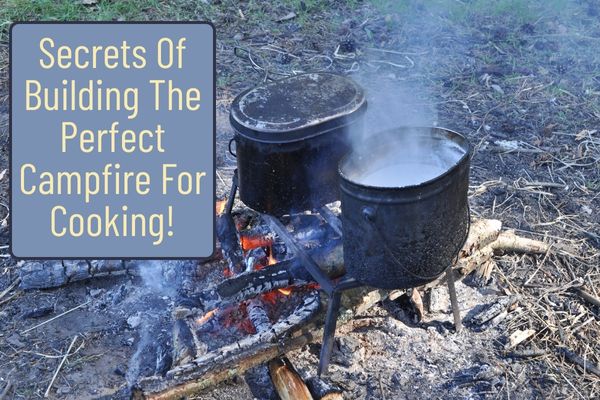
There’s something timeless about cooking over a campfire. The crackle of wood, the smell of smoke and the simple joy of food cooked outdoors. It brings back some great memories, for sure.
But a good cooking fire isn’t about flames shooting into the sky or tossing random sticks together. It’s about control, patience and most importantly, safety.
Whether you’re camping for the weekend, learning outdoor skills or preparing for your meals as you travel between campsites, we’ll walk you through everything you need to know about building and managing a campfire for cooking.
Picking the best spots, using the right kinds of wood, how to keep a steady cooking temperature, prepper tips, how to safely put a fire out when you’re done, essential safety techniques and more.
Now let’s get cooking…
First Things First: Campfire Basics
Before even thinking about getting that campfire started, you absolutely must have a firm understanding of the responsibilities involved.
A cooking campfire should be:
:: Legal (always check local fire regulations)
:: Built in a designated fire ring or pit if available
:: Supervised at all times
:: Small and controlled
:: Easy to manage and extinguish
You don’t want to create a bonfire. Bigger is not better. In fact, the best cooking fires often look boring compared to the ones you see in movies or on TV.
If you’re under 18 or new to campfires, always work with an experienced adult. Fire is an essential tool, but it must be respected always.
Choosing the Right Spot for Cooking
Where you build your campfire matters just as much as how you build it. You should always be thinking about both safety and concealment.
A good cooking fire location:
:: Is far away from tents, trees and overhanging branches
:: Has clear ground around it (no dry grass or leaves)
:: Is protected from strong wind
If you’re camping somewhere that provides metal fire rings or grills, use them. They’re designed to contain heat and reduce risk.
A poorly placed fire can spread, attract attention or damage critical gear. A well-placed fire quietly does its job and disappears when you are done.
How to Build Your Campfire
After picking your location, it’s time to get your campfire together.
It’s not a sprint, so take it slowly and carefully. You always want to build the best cooking fire possible, so no shortcuts. There’s an art to getting it right.
To build a good cooking fire:
:: Clear the area of any flammable debris
:: Set up large logs or rocks in a circle for containment
:: Layer small sticks and twigs in the center
:: Ignite the campfire using matches or a fire starter
Then, once the fire takes hold and grows, you will want to gradually add larger pieces of wood and maintain a steady flame for cooking.
Prepper Tip: The goal is reliable heat with minimal resources. Always look to conserve where you can.
Understanding Fire for Cooking
Believe it or not, there’s a key idea about cooking fires that surprises a lot of beginners:
You don’t cook over big flames. You cook over hot coals.
Flames are unpredictable. They burn food, create uneven heat and are hard to control. What you want instead is a bed of glowing coals, which gives steady, even heat perfect for cooking.
So, when we talk about “building a campfire for cooking,” we’re really talking about building a fire that creates good coals.
Types of Wood to Use for Cooking Fires
Preppers don’t just burn whatever’s nearby because not all wood is created equal. Some woods burn too fast, some smoke too much and some can make food taste bad or be unsafe to eat.
Best Woods for Cooking
Hardwoods are the gold standard because they burn longer and create better coals.
:: Oak – Excellent heat, long burn time
:: Maple – Clean burn with good coals
:: Hickory – Hot and flavorful (used often for smoking food)
:: Beech – Burns evenly with minimal sparks
These hardwoods allow you to cook more food with less fuel, a big win in resource-limited situations.
Woods to Avoid
Some woods aren’t great for cooking and create more problems than benefits.
:: Softwoods (like pine, fir, spruce)
<> Burn fast
<> Pop and spark
<> Produce sticky sap and heavy smoke
:: Treated or painted wood
<> Never safe for cooking
:: Driftwood
<> Often contains salt and chemicals
Prepper Tip: If you’re unsure what kind of wood you have, err on the side of caution and keep it out of your campfire.
Smaller Campires Are Smarter Campfires
One of the biggest mistakes people make is building a fire that’s way too big.
For cooking, you want:
:: A small to medium fire
:: Enough wood to create coals
:: Space to move food closer or farther from heat
:: Built only as large as needed for the meal
A controlled fire is easier to manage, safer, and it cooks food more evenly. That’s what you’re looking to achieve.
When doing campfire cooking, big fires equal big problems.
Large fires:
:: Consume fuel quickly
:: Are harder to control
:: Scorch food fast
:: Produce unnecessary smoke
:: Increase injury and wildfire risk
Prepper Tip: You can always add fuel, but you can’t easily undo a fire that’s gotten out of hand. Start small and stay small.
How Campfire Temperature Works
You don’t need a thermometer to cook over a campfire, but you do need to understand heat zones.
That’s why preppers learn to read the fire itself. A cooking fire naturally creates 3 zones:
:: High heat directly over dense coals
:: Medium heat just off to the side of the coals
:: Low heat farther away from the coals for warming or holding food
Good campfire cooking is about moving your food, not constantly adjusting the fire.
Maintaining the Right Temperature for Campfire Cooking
Keeping a steady temperature is more about patience than action. And long-term cooking, especially with bulk foods like rice, beans or dehydrated meals, requires steady heat.
Here are some smart ways to manage the heat of your campfire:
:: Let the fire burn down into coals before cooking
:: Cook over coals, not flames
:: Add small amounts of wood gradually instead of large pieces
:: Spread coals out for lower heat
:: Pile coals closer together for higher heat
If the fire gets too hot, don’t panic. Simply move your food farther away or wait for the coals to cool slightly.
Cooking Methods That Work Well Over a Campfire
Different foods need different heat levels so it’s important to know how to cook what. Here are a few common approaches:
Direct Cooking
:: Food is placed over hot coals
:: Best for quick-cooking items
:: Requires close attention
Indirect Cooking
:: Food is placed near, not over, the heat
:: Better for slower cooking
:: Reduces burning
Using Cast Iron or Grill Grates
:: Helps distribute heat evenly
:: Makes cooking easier and safer
:: Great for beginners
You don’t need fancy gear, but stable cookware makes a big difference.
Prepper Tip: Avoid anything fragile. If it can’t survive rough handling and high heat, it doesn’t belong in your campfire.
Wind, Weather and Campfire Control
Nature doesn’t always cooperate. That’s why preppers always are ready for adverse conditions.
:: Wind increases fire intensity and risk
:: Cold weather can make fires burn faster
:: Damp conditions may cause more smoke
When conditions are bad, smart preppers:
:: Reduce fire size
:: Shield fires naturally
:: Delay cooking if safety is compromised
Remember, safety always comes first.
Campfire Safety While Cooking
The absolute most important part of campfire cooking is keeping yourself and the environment safe. Always be prepared and follow these guidelines:
:: Keep water or dirt nearby
:: Never leave the fire unattended
:: Avoid loose clothing near flames
:: Use long tools to handle food
:: Stay alert and focused
Campfires aren’t the place for distractions. No matter how experienced you are, things can change quickly and you have to be prepared for anything and everything.
How to Safely Finish and Put Out a Campfire
When you’re done cooking, the job isn’t over yet. A poorly extinguished campfire can quickly lead to acres of wilderness being ravaged by wildfire.
An always cautious, never careless approach is always the one to take.
A fire is only safe when it’s completely out. That means:
:: No flames
:: No glowing embers
:: No heat when you hover your hand above (from a safe distance)
:: No smoke
Pour water slowly and carefully over the campfire, stirring ashes as they cool. The goal is to make sure everything is cold, not just wet.
Prepper Tip: Never leave a fire pit warm and assume it will “burn out on its own.”
Also, when you leave your campsite, you don’t want a person who comes along to ever know you were there. Part of respecting the environment means leaving no trace.
:: Clean up food scraps
:: Pack out trash
:: Leave the fire area better than you found it
A well-used campsite should still look natural after you are gone.
Building and managing a campfire for cooking is all about understanding fire and putting safety first.
And the more you practice, the better you’ll get at:
:: Picking the ideal location
:: Choosing the right wood
:: Building the structure
:: Managing heat
:: Cooking food evenly
:: Staying calm and in control
Be ready to adjust your approach because every outdoor environment is different and conditions can change rapidly. Take your time, stay cautious and enjoy the process.
Few things beat a simple meal cooked outdoors, especially when it’s done right. And the memories you make will stick with you long after the meal is gone.