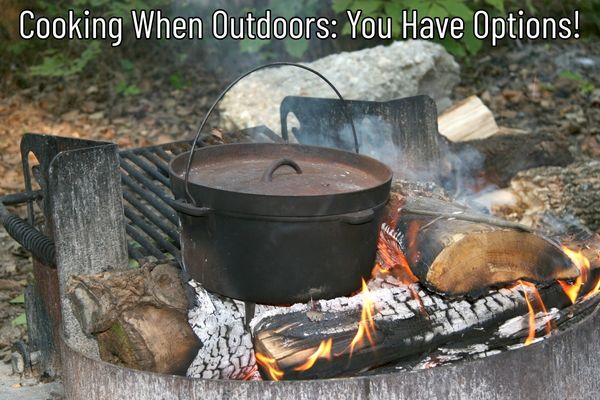
When thinking about cooking over a campfire, your mind’s eye most likely goes to something you saw in the movies. A simple scene where campers roasting a fresh catch on a spit.
But there are so many other ways to cook using a campfire. And knowing what they are and how to do them well are essential prepper skills.
Campfire cooking is much more than just making a tasty meal outdoors. It’s about being adaptable to different situations, resilient, and being able to feed yourself and others when modern conveniences are unavailable.
Whether you’re camping, homesteading or preparing for emergencies and long-term disruptions, knowing multiple campfire cooking methods ensures you’re never dependent on a single tool or system.
These skills form a well-rounded foundation for sustainable living and being ready for whatever survival situation may present itself.
Let’s explore the most popular and practical prepper campfire cooking methods, going through why it matters, the basics of how each works and when it’s most useful.
Why Prepper Campfire Cooking Skills Matter
When electricity, fuel or supply chains fail, the ability to cook outdoors becomes critical. If and when these situations arise, you want to be able to stay calm and rely on your skills and knowledge.
Preparedness cooking inspires feelings of security and independence, just as much as it provides food. And those are vital traits to have when you find yourself in true survival scenarios.
Knowing different prepper campfire cooking methods allows you to:
:: Prepare meals without electricity or gas lines
:: Use renewable heat sources
:: Adapt to limited tools or ingredients
:: Feed individuals or groups efficiently
:: Maintain nutrition and morale during stressful situations
The more campfire cooking methods you know, the more flexible and confident you become. And the better your odds of surviving when your life could be on the line.
Campfire Grilling: Fast, Efficient and Reliable
Grilling is one of the most popular prepper campfire cooking methods, using direct heat from charcoal, wood or propane.
Why Grilling Works for Preppers
:: Cooks food quickly, conserving fuel
:: Simple equipment with minimal maintenance
:: Ideal for fresh or thawed foods
Best Foods for Grilling
:: Steaks, burgers, chicken, fish
:: Vegetables like peppers, corn and zucchini
:: Skewers and flatbreads
Grilling is perfect for short-term emergencies when fresh food needs to be used quickly. Charcoal and wood grills are especially valuable for preparedness because they don’t rely on pressurized fuel.
Campfire Barbecuing: Low Heat, Big Results
Unlike quick, high-heat cooking, campfire barbequing uses low, steady heat over time, allowing food to cook thoroughly while requiring relatively little attention. And it’s often done with smoke for added flavor. (One of my personal favorites.)
Prepper Advantages
:: Turns tough cuts into tender meals
:: Efficient for feeding groups
:: Allows long cooking with minimal attention
Common Barbecue Foods
:: Ribs
:: Brisket
:: Pulled pork
:: Whole chickens
Campfire barbecuing is ideal for community cooking scenarios, extended outdoor and emergency situations where time and fuel efficiency matter.
Also, it’s a skill that rewards patience and planning, two qualities every prepper must develop.
Campfire Skillet Cooking: Simple and Flexible
A cast iron skillet is a vital prepper tool. It heats evenly and works directly on flames or coals.
Benefits of Skillet Cooking
:: Lightweight compared to larger cookware
:: Excellent heat control
:: Easy to clean and maintain
Ideal Skillet Foods
:: Eggs and breakfast foods
:: Stir-fried vegetables
:: Pan-fried meat
:: Flatbreads
Campfire skillet cooking is perfect for quick meals and small groups, especially when fuel or time is limited.
Campfire Dutch Oven Cooking: Maximum Versatility
Dutch oven cooking is one of the most powerful tools in outdoor prepper cooking. A cast iron Dutch oven can be used over coals or suspended over a fire and gives preppers many different cooking options.
Why Dutch Ovens Are Ideal For Preppers
:: Even heat distribution
:: Durable and long-lasting
:: Can bake, roast, fry, stew and simmer
Common Dutch Oven Meals
:: Stews and soups
:: Breads and biscuits
:: Roasts
:: Casseroles
For preppers, a Dutch oven replaces multiple kitchen appliances, making it invaluable for extended outdoor living.
Campfire Roasting: Consistent Heat for Hearty Meals
Campfire roasting involves cooking food with steady heat, typically near coals or in a covered setup like a Dutch oven.
Why Roasting Is Prepper-Friendly
:: Handles large cuts of meat
:: Requires minimal attention once set
:: Produces filling, high-calorie meals
Foods Commonly Roasted
:: Whole chickens
:: Root vegetables
:: Game meat
Roasting is particularly effective when cooking for multiple people or maximizing nutrition from a single food source.
Campfire Broiling: High Heat, Quick Cooking
Campfire broiling uses intense heat from above, often by positioning food close to the hot coals.
Using hinged baskets or cast-iron presses that secure food, it allows for easy flipping and provides a perfect seared finish without burning.
Prepper Advantages
:: Fast cooking times
:: Minimal fuel usage
:: Adds char and flavor
Best Broiled Foods
:: Thin cuts of meat
:: Fish
:: Vegetables
While campfire broiling requires careful attention, it’s useful when fuel is scarce and quick results are needed.
Campfire Steaming: Fuel-Efficient and Nutritious
Campfire steaming cooks food using vapor from boiling water rather than direct heat. Using a pot or creating a sealed foil packet, food cooks in steam, preserving nutrients and flavor.
Why Steaming Works Outdoors For Preppers
:: Preserves nutrients
:: Uses less fuel than boiling
:: Reduces risk of burning food
Foods Suitable for Steaming
:: Vegetables
:: Fish
:: Rice and dumplings
Steaming is an excellent method when you want efficient, gentle cooking using limited resources. It is also a healthy and less messy cooking option.
Campfire Braising: Slow Cooking with Moist Heat
A low and slow campfire cooking method, braising involves searing meat first. Then the meat (covered in liquid like wine or broth) is simmered with onions, mushrooms and herbs if available, until it’s fall-apart tender.
Prepper Benefits
:: Makes tough cuts edible
:: Enhances flavor with minimal ingredients
:: Works well over campfires and wood stoves
Common Braised Foods
:: Meat stews
:: Beans and legumes
:: Root vegetables
Braising is ideal when ingredients are basic and time is available.
Campfire Pit Cooking: Ancient and Effective
Pit cooking can be traced back thousands of years and involves placing food in a dug pit lined with hot stones and covering it to trap heat.
Why Pit Cooking Is Valuable For Preppers
:: Requires no cookware
:: Can cook large quantities at once
:: Uses natural materials
Typical Pit-Cooked Foods
:: Large cuts of meat
:: Root vegetables (potatoes are amazing)
:: Wrapped whole meals
Pit cooking is labor-intensive but incredibly effective for long-term camps or group survival situations.
Campfire Pressure Cooking: Speed and Fuel Conservation
Campfire pressure cooking uses sealed cookware to raise boiling temperatures and cook food faster.
But you need to manage the heat carefully to avoid overheating handles and gaskets. Use appropriate camp-specific models or standard ones with moderate, even heat.
Prepper Advantages
:: Saves time and fuel
:: Softens beans, grains and tough meats
:: Ideal for bulk cooking
Pressure cookers are especially useful when cooking for groups or when fuel supplies are limited.
But be careful and always follow safety rules like never overfilling (2/3 filled max), adding liquid and securing lids before placing the pressure cooker over the flames.
Campfire Smoking: Amazing Flavor
Campfire smoking applies heat and smoke to cook food slowly while enhancing flavor. (Some of the best jerky that I’ve ever had was cooked over a campfire!)
Prepper Uses
:: Cooking meat and fish
:: Extending shelf life of food
:: Utilizing local wood
You want to use woods like hickory or fruit woods for a mild smoke and manage the fire by keeping it small and steady over many hours.
Campfire smoking works well alongside other cooking methods and adds variety to outdoor meals.
Open-Fire Cooking: Last-Resort Method
Open-fire cooking means placing food directly over flames or embers, often with improvised tools.
When Open-Fire Cooking May Be Needed For Preppers
:: Survival situations
:: Equipment loss
:: Emergency evacuations
Common Methods
:: Roasting on sticks
:: Cooking on flat stones
:: Improvised grills
This technique prioritizes function over comfort and is a critical survival skill. But it could also be dangerous since it can’t be completely controlled.
If you have to use this method, take extreme caution. Remember, safety first.
Building a Well-Rounded Prepper Campfire Cooking Strategy
No single cooking method works in every situation, which is why successful preppers develop a layered approach that allows them to adapt to changing conditions, limited resources and different group sizes.
A strong strategy includes multiple cooking methods:
:: Quick cooking: grilling, broiling, skillet cooking
:: Low-fuel methods: steaming, pressure cooking
:: Group meals: barbecuing, roasting, smoking, Dutch oven, pit cooking
:: Minimal equipment: pit, skillet and open-fire cooking
By understanding when to use each method, preppers can adapt meals to their circumstances instead of forcing one approach to fit every situation.
Prepper campfire cooking methods represent far more than different ways to make meals outdoors. Understanding what they are and how they differ help you develop a core survival skill rooted in adaptability, confidence and self-reliance.
From simple open-fire roasting to more advanced techniques like Dutch oven cooking, each method serves a unique purpose.
Some conserve fuel, others handle large quantities of food, and some require little to no specialized equipment. Together, they form a complete toolkit that allows preppers to adapt to every situation.
When you practice these skills regularly and understand when to apply each method, you will build confidence, resilience and the ability to thrive in any outdoor or emergency environment. And a warm, nourishing meal will always be within your reach.
Be on the lookout for upcoming articles where we’ll go into much more detail on each prepper campfire cooking method. You don’t want to miss them!