Introduction: Why Solar Power Is Appealing
Grid instability, extreme weather, cyber threats and infrastructure failures have made electricity one of the most fragile modern dependencies.
Solar power stands out because it doesn’t rely on fuel deliveries, gas stations or external supply chains. Unlike generators, solar systems can quietly produce power day after day with no combustion, no noise and minimal effort once set up. That independence is why solar has become a cornerstone topic in preparedness circles.
At the same time, the rise of “DIY solar” has created unrealistic expectations. Social media and forums often oversimplify the process, gloss over costs and understate risks. We’re going to slow down that rush and give you all the facts.
Prepper Tip: The focus here is on education and planning to help you decide whether DIY solar aligns with your preparedness goals, skills and risk tolerance before you invest the time or money.
What “DIY Solar” Really Means (and What It Doesn’t)
DIY solar does not automatically mean cheap, easy or fast. In preparedness terms, “DIY” usually means assembling, configuring and maintaining your own off-grid or supplemental power system, not installing a full residential solar setup from scratch without experience.
There are several categories often lumped together:
- Small off-grid systems: Dedicated setups for limited loads
- Portable solar kits: Foldable panels paired with battery units
- Full home solar installations: Complex, code-regulated systems
Most preppers discussing DIY solar are referring to small to medium off-grid systems designed to support essential devices, not entire homes.
It’s also important to understand that many DIY systems are supplemental, not replacements for grid power or generators. They shine as part of a layered strategy, not as a single point of power.
Common Prepper Use Cases for DIY Solar Power
DIY solar excels when expectations are realistic. Common and practical prepper uses include:
- Charging radios, phones, flashlights and GPS units
- Powering medical devices like CPAP machines
- Refrigeration for medications
- LED lighting, small fans and low-draw appliances
- Limited water pumping or filtration systems
- Short-to-medium duration outage support
What DIY solar usually cannot support effectively:
- HVAC systems
- Electric stoves or water heaters
- Whole-home power demands
- High-draw tools for extended periods
Prepper Tip: Understanding these boundaries prevents disappointment and dangerous overreliance.
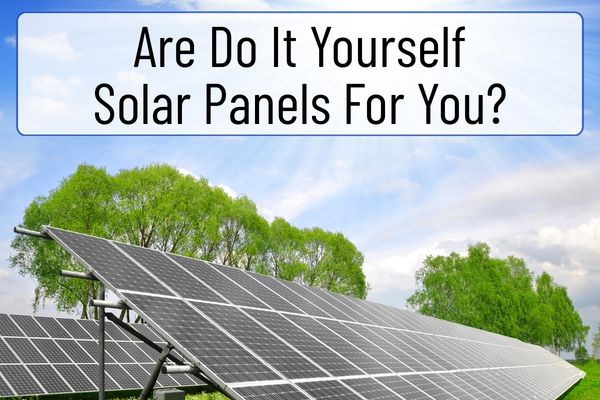
Core Components of a DIY Solar Panel System
Every DIY solar setup relies on the same foundational components:
- Solar panels: Capture sunlight and convert it to electricity
- Charge controller: Regulates power flowing into batteries
- Batteries: Stores energy for use when the sun isn’t available
- Lead-acid: cheaper upfront, heavier, shorter lifespan
- Lithium: higher cost, lighter, longer lifespan
- Inverter: Converts stored power into usable household electricity
- Mounting hardware: Secures panels safely
- Wiring and safety equipment: Protects against overloads and faults
Quality matters. Cheap components increase failure risk, reduce efficiency and can create safety hazards.
Very rough cost ranges (high-level only):
- Small systems: hundreds to a few thousand dollars
- Mid-range systems: several thousand dollars
Costs rise quickly as storage and reliability increase.
Skills, Tools and Experience Required For DIY Solar
DIY solar is not plug-and-play for most people. It typically requires:
- Basic electrical knowledge
- Comfort working with wiring and tools
- Ability to read diagrams and technical manuals
- Awareness of electrical, fire and weather-related hazards
Mistakes can damage expensive equipment or create long-term safety risks.
Prepper Tip: DIY Solar is not beginner-friendly for everyone and that’s okay. For many preppers, the learning curve itself is part of the appeal, but it’s important to be honest about your starting point.
Who Is Likely a Good Candidate for DIY Solar
DIY solar tends to work best for preppers who:
- Have mechanical or electrical experience
- Are patient, methodical planners
- Enjoy testing, troubleshooting and redundancy
- Start small and scale slowly
- Accept ongoing maintenance as part of preparedness
- Have, or are interested in building, a tiny bug out house (More great info on that here)
These individuals treat their solar system like any other preparedness tool, something to train with, test regularly and improve over time.
Also, if you want to prepare your home to bug-in, DIY Solar may be for you.
Who Should Probably Not Attempt DIY Solar
DIY solar may not be the best choice if you:
- Are uncomfortable with electrical work
- Expect “set it and forget it” simplicity
- Cannot safely lift or mount heavy components
- Depend on electricity for life-critical equipment without backups
- Rent or face HOA and zoning restrictions
Alternatives worth considering:
- Prebuilt solar generators
- Professionally installed systems
- Hybrid setups combining solar, generators and grid power
Prepper Tip: Choosing the right solution is smarter than forcing the wrong one.
Installation Factors for DIY Solar (Not Step-by-Step Setup)
Solar installation varies widely based on:
- Location and climate
- System size and load requirements
- Mounting surfaces and structural factors
- Local electrical codes and safety standards
Improper installation can lead to fire hazards, equipment failure or injury.
The first step is understanding whether DIY solar fits your preparedness strategy. If you think you’re a fit, be on the lookout for an upcoming article with actual installation steps and techniques, focusing on safety, compliance and more.
Maintenance, Longevity and Failure Points
Solar systems are not maintenance-free. Preppers should plan for:
- Battery replacement cycles
- Gradual panel efficiency loss
- Wiring inspections and connection tightening
- Weather damage from heat, cold, hail or wind
Prepper Tip: Regular monitoring is a necessity. Spare fuses, connectors and backup charging options are part of a resilient setup.
Cost, ROI and Tradeoffs for Preppers
DIY solar requires significant upfront investment, especially when storage is included. While operating costs are low, return on investment depends on:
- Frequency and duration of outages
- Energy needs
- System longevity
Compared to generators:
- Solar has no fuel dependency
- Generators offer higher peak output
- Solar output varies by season and weather
For most preppers, solar works best as one layer in a diversified power plan.
What Many Preppers Overlook About DIY Solar
Often overlooked but critical considerations include:
- Shading and panel placement challenges
- Limited battery capacity during prolonged outages
- Surge, lightning and EMP protection
- Performance in extreme heat or cold
- Insurance and legal implications
- The importance of testing systems before emergencies
A system that works on paper but hasn’t been stress-tested is not truly ready.
Common Mistakes Preppers Make With DIY Solar
1. Oversizing expectations and undersizing planning
Many assume solar will seamlessly replace grid power, only to discover too late that battery storage, not panels, is the real limiting factor. Without enough stored energy, even a well-sized panel array can fall short during extended outages or bad weather.
2. Chasing the cheapest components
Low-quality charge controllers, inverters or batteries often fail early, perform poorly or create safety risks. In preparedness scenarios, reliability matters far more than upfront savings.
3. Underestimating maintenance and testing
Systems that aren’t regularly exercised, inspected and load-tested tend to fail when they’re needed most.
4. Overlooking real-world constraints
Shading, seasonal sunlight changes, physical mounting challenges and local regulations are essential and need to be accounted for.
Final Thoughts: Is DIY Solar Worth It for You?
DIY solar can be empowering, resilient and effective when chosen for the right reasons. It rewards preparation, patience and realism.
It is not a universal solution, nor should it replace layered preparedness. Honest self-assessment matters more than enthusiasm.
For many preppers, the real value of DIY solar isn’t just power; it’s control, understanding and adaptability when systems fail.
Key Takeaways
- DIY solar is about planning and self-reliance, not shortcuts
- Best suited for essential, low-to-moderate power needs
- Requires real skills, maintenance and safety awareness
- Not ideal for everyone, alternatives exist
- Costs and limitations must be understood upfront
- Solar works best as part of a layered preparedness strategy
- Thoughtful planning matters more than rushing into installation
Frequently Asked Questions
Is DIY solar legal everywhere?
DIY solar is not legal or unrestricted everywhere. Rules vary by country, state and even municipality, especially for permanent or roof-mounted systems. Permits, inspections and electrical codes may apply, so it’s important to research local regulations before building.
Can DIY solar power a refrigerator?
Yes, a DIY solar system can power a refrigerator with proper system sizing and adequate battery storage. The biggest factor is how long you want it to run without sunlight. Energy-efficient models are far easier to support than older or high-draw units.
How long do solar batteries last?
Lead-acid batteries typically last 3-5 years, depending on usage and maintenance. Lithium batteries usually last much longer, often 8-15 years, and tolerate deeper discharge cycles. Battery lifespan is heavily influenced by charging habits and temperature conditions.
Is DIY solar cheaper than a generator?
DIY solar usually costs more upfront than a basic fuel generator. However, solar avoids ongoing fuel costs, supply disruptions and mechanical wear. Over time, especially during repeated outages, solar can offer greater long-term value.
Can solar work during cloudy weather?
Solar panels still produce power on cloudy days, but output is significantly reduced. This makes battery capacity and energy conservation especially important. In prolonged poor weather, solar-only systems can struggle without supplemental power.
Should preppers combine solar with other power sources?
Yes, combining solar with generators, grid power or other energy sources creates a far more resilient system. Layered power strategies reduce single points of failure. Most experienced preppers view solar as one tool, not the only solution.
(Disclaimer)
This article is provided for informational and educational purposes only. It does not constitute DIY Solar advice. DIY projects, including solar systems, involve inherent risks. Readers are encouraged to seek instruction from qualified professionals and to take responsibility for their own DIY Solar and power decisions.