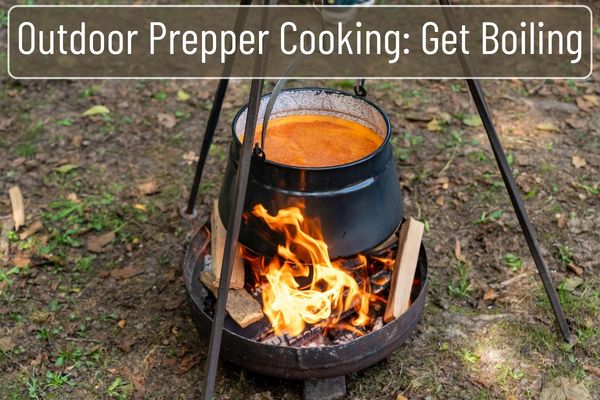
Introduction: Why Boiling Matters for Preppers
My grandpa used to say boiling is one of the oldest cooking methods around and he wasn’t wrong. It’s simple, dependable, and works in almost any situation.
For preppers, boiling is a core skill. It doesn’t require fancy tools or complicated techniques. You can cook with limited equipment, shelf-stable foods or whatever ingredients you have on hand.
If you’re trying to stretch food supplies, make stored foods safe to eat or cook without modern appliances, boiling gets the job done.
It may not be flashy, but it’s reliable. And after you’ve done it a few times, it becomes second nature.
What Is Boiling
Boiling means cooking food in liquid heated to its boiling point. At sea level, water boils at 212°F (100°C). You’ll see steady bubbles rising to the surface.
Broth and other liquids behave similarly, though their boiling point can vary slightly.
Boiling works especially well for foods that need moisture and even heat. It softens tough ingredients, rehydrates dried foods and allows flavors to blend over time.
It’s simple, but it’s not just dropping food into hot water and waiting. There’s still a right way to do it.
How Boiling Works (High-Level Overview)
As most home cooks notice quickly, boiling transfers heat from liquid to food consistently. As the liquid circulates, it surrounds the food evenly, helping it cook from the outside inward.
In practice, boiling is especially useful for dense or dry foods that need time to soften, such as grains, beans, and root vegetables.
Also, anyone who cooks dried beans regularly knows that moist heat helps break down starches and connective tissues. In most cases, boiled foods often become tender and easier to digest.
Another benefit? Since food isn’t sitting directly on a hot surface, burning is less likely. That makes boiling more forgiving, especially when cooking over basic heat sources like camp stoves or open flames.
Setting Up for Boiling Food
You don’t need much, but setup still matters.
A safe and effective boiling setup starts with stable cookware and a dependable heat source. A pot with a tight-fitting lid helps retain heat and reduce fuel use. For preppers, versatility is key, so cookware that works on multiple heat sources is a practical choice.
Clean water is critical. If water quality is uncertain, it should be properly treated before cooking. Even when water appears clear, contaminants can still be present. Store clean water ahead of time or keep a reliable filter on hand. It’s not something you want to gamble with.
Keep your cooking space organized. Measure ingredients ahead of time and keep utensils clean. Boiling is simple, but sloppy preparation can still cause problems.
What Foods Are Best for Boiling
In day-to-day use, boiling works best for foods that need hydration or softening.
Grains
- Rice
- Oats
- Wheat berries
- Pasta
Legumes
- Lentils
- Split peas
- Dried beans (properly soaked if required)
Vegetables
- Potatoes
- Carrots
- Cabbage
- Squash
- Leafy greens
Proteins
- Eggs
- Poultry or fish for soups
Shelf-Stable Foods
- Dehydrated vegetables
- Powdered soups
- Dried noodles
Foods high in fat or meant to be crisp are generally better suited to other cooking methods.
Prepper Boiling Recipes
1. Simple Rice and Bean Pot
A prepper staple for a reason, this tasty dish combines carbohydrates and protein using inexpensive, shelf-stable ingredients.
This doesn’t take much, just dry rice (white or brown), beans that are already cooked, canned or properly soaked and pre-cooked, water or broth, plus salt and optional dried spices (such as garlic powder, cumin, or bay leaf).
Bring the rice to a boil, then reduce to a simmer. Add beans halfway through or near the end so they heat without breaking apart.
Rice absorbs the liquid and carries the seasoning evenly, while beans provide texture and protein. Cooking them together reduces cleanup and fuel use. The dish can be kept mild or adjusted with spices based on availability.
- White rice cooks faster and uses less fuel than brown rice. (I usually keep white rice in my storage bins because it cooks faster.)
- Rinsing canned beans helps control salt levels.
- Stores well and reheats easily.
2. Hearty Vegetable Soup (This is one of the first meals I practiced cooking over a campfire)
If you’re looking for an ultra-flexible boiling-based meal, this is it. The recipe allows the cook to combine small amounts of many ingredients into a single, nourishing dish. What you’ll need:
- Water or broth
- Hard vegetables (potatoes, carrots, turnips, squash)
- Softer vegetables (onions, celery, cabbage)
- Leafy greens (spinach, kale, beet greens)
- Salt and dried herbs
The liquid is brought to a boil first, then harder vegetables are added since they require more time to soften. Softer vegetables follow, with leafy greens added last. This layering prevents overcooking and keeps textures balanced.
One of my favorite aspects of boiling is that it allows flavors from different vegetables to combine naturally. The broth becomes part of the meal rather than something discarded, helping retain nutrients and reduce waste.
- Cutting vegetables into similar sizes helps them cook evenly.
- Soup can be thickened naturally by mashing a portion of the vegetables.
- Adapts easily to frozen or dehydrated vegetables.
3. Lentil Stew
Lentils cook fast and don’t need soaking, which saves both time and fuel.
This one is simple. Just gather dry lentils, water or broth, onion or dried onion flakes and dried herbs and salt.
Gently boil the lentils with aromatics and seasoning until tender. Unlike many other legumes, they maintain their shape while still thickening the cooking liquid slightly.
Lentils provide protein and fiber while cooking faster than beans. The stew format keeps everything in one pot, reducing complexity. (I’ve burned beans before by rushing the boil. Lowering the heat makes a difference.)
- Red lentils break down more and create a thicker texture.
- Green or brown lentils hold their shape better.
- Reheats well and can be stretched with added vegetables.
4. Potato and Greens Mash
A classic meal that focuses on combining simple carbohydrates with vegetables in a way that’s filling and efficient. Prepper favorite ingredients:
- Potatoes
- Leafy greens or soft vegetables
- Water
- Salt
Potatoes are boiled until soft. Greens are added near the end, just long enough to wilt. The mixture is then lightly mashed, using some of the cooking liquid if needed.
While potatoes provide bulk and energy, the greens add color and nutrients. Keeping everything in one pot limits cleanup and allows control over texture.
- Leaving potato skins on reduces prep time and waste.
- Adding cooking liquid slowly prevents the mash from becoming watery.
- Pairs easily with beans, eggs or soup.
After a few times making these recipes, you’ll naturally adjust portions, ingredients and seasoning to match what is available while keeping meals safe, filling and efficient.
Common Mistakes Preppers Make When Boiling
Avoid these common pitfalls:
1. Using Too Much Water
This can dilute flavor and waste fuel.
2. Boiling Foods Aggressively
Overboiling can lead to nutrient loss and poor texture. Use a gentle simmer instead.
3. Skipping Planning Steps
Not soaking beans when needed or failing to account for cooking time can result in undercooked meals.
4. Overlooking Safety
Unstable pots or contaminated water can turn a simple task into a preventable problem.
Pros and Cons of Boiling
Pros:
- Simple and widely understood (why I love it)
- Works with basic equipment
- Suitable for many shelf-stable foods
- Lower risk of burning food
Cons:
- Can reduce flavor if not seasoned thoughtfully
- Less variety in texture (a hard no, for some)
- Potential nutrient loss if liquids are discarded
- Requires access to safe water
Over time, you’ll get a feel for when boiling makes sense and when it doesn’t.
I’ve also written about pit cooking if you want another option to compare.
Safety, Planning, and Responsible Use
Safety should always guide cooking decisions. Hot liquids pose burn risks, especially in unstable environments. Pots should be handled carefully and cooking areas kept clear. Children and pets should always be kept at a safe distance.
It also helps to know how much fuel you’re working with and how long meals typically take. Boiling can be fuel-efficient when managed properly, especially with lids and retained heat.
Try not to waste what you cook. If the liquid is usable, turn it into part of the meal.
Key Takeaways
- Boiling is a foundational cooking skill with broad, practical applications
- It’s especially effective for grains, legumes, vegetables and soups
- Minimal equipment is required, making boiling accessible in many cooking setups
- Proper setup and basic planning improve both safety and efficiency
- Gentle simmering is often more effective than aggressive boiling
- Many shelf-stable and long-term pantry foods are designed for boiling
- Cooking liquids can often be incorporated into the final dish to reduce waste
- Simple boiling-based meals are easier to portion, store and reheat
- The more you practice boiling, the more comfortable you’ll feel cooking just about anywhere
If you’re curious about other off-grid cooking options, you can find an in-depth overview in another article I’ve written.
Frequently Asked Questions
Is boiling food always safe?
Boiling is generally safe when clean water and proper cookware are used. However, it is only one part of safe food preparation. Careful handling of hot liquids and clean utensils still plays an important role in reducing risk.
Does boiling destroy nutrients?
Some nutrients can leach into cooking water. That’s why soups and stews tend to make more sense than draining everything off.
Can boiling be fuel-efficient?
Yes, especially when lids are used and food is simmered rather than boiled vigorously. Bringing food to a boil once and then lowering the heat is a common approach. Thoughtful portion planning also reduces the need for reheating.
What cookware is best for boiling?
Durable pots with lids work well. Even heat distribution helps prevent uneven cooking, especially with grains and legumes.
Is boiling suitable for long-term food storage items?
Yes, but reading packaging guidance helps ensure proper preparation. Familiarity with these foods also makes meal planning easier over time.
Can seasoning be added during boiling?
Seasoning during cooking allows flavors to blend naturally. Salt and dried herbs are commonly used options, with final adjustments often made near the end.
How do I avoid overcooking food when boiling?
You’ll want to keep an eye on the texture and reduce heat once boiling begins to help maintain control. A gentle simmer is usually sufficient and produces more consistent results. Checking food periodically prevents unnecessary overcooking.
Is boiling only for emergencies?
Not at all. Boiling is useful for everyday meals and is already part of many regular cooking routines. Practicing it regularly builds confidence and consistency.
Can boiled food be stored for later use?
Some boiled foods store well when cooled and refrigerated or preserved appropriately. Proper containers and safe cooling practices make a noticeable difference in quality and safety.
Final Thoughts
Boiling isn’t glamorous, but it’s one of the first skills I recommend anyone practice. When you’re cooking with limited tools, simple methods matter. The more you practice now, the less stressful it becomes later. And most importantly, have fun making new memories!
This article is provided for informational and educational purposes only. It does not constitute outdoor cooking or fire safety advice. Outdoor cooking involves inherent risks. Readers are encouraged to seek instruction from qualified professionals and to take responsibility for their own outdoor cooking decisions.