Introduction: Why Vehicle Maintenance Matters
If you’ve ever been stranded on the side of the road because of car issues, you know properly maintaining your vehicle is a must.
After my truck broke down on the George Washington Bridge in New York on New Year’s Day 30-something years ago, I learned the hard way.
Hopefully, nothing like that has happened to you, but it’s more likely to happen if maintenance is neglected.
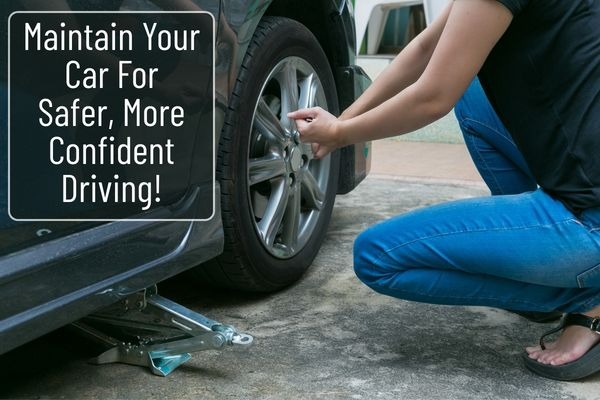
For preppers and everyday drivers alike, basic vehicle maintenance is something you want to make part of your regular routine.
What Is Vehicle Maintenance?
In a nutshell, vehicle maintenance consists of routine inspections, servicing and minor part replacements performed to keep a car operating safely and efficiently. It generally includes:
- Engine oil and filter changes
- Tire inspections and pressure checks
- Brake inspections
- Battery testing
- Fluid checks (coolant, transmission, brake fluid, power steering fluid)
- Replacing air filters and windshield wipers
- Inspecting belts and hoses
Your owner’s manual should list most manufacturer’s suggestions and maintenance intervals. I highly recommend becoming very familiar with them because preventive care can save you the heartache and big financial hit that a major problem will cause.
Why Else Is It Important
1. Safety Comes First
Brakes, tires, steering and lights all play a direct role in preventing accidents. Neglecting routine maintenance can increase the risk of breakdowns or dangerous driving conditions.
2. Financial Preparedness
Small maintenance tasks are typically far less expensive than major repairs. Replacing worn brake pads, for example, can prevent more costly damage to rotors and calipers.
3. Reliability During Emergencies
Whether it’s a severe weather evacuation, a power outage or a medical situation, a dependable vehicle ensures you can leave quickly and safely.
4. Extended Vehicle Lifespan
Regular upkeep helps engines, transmissions and electrical systems last longer. Also, looking down the road, a well-maintained car often retains more resale value and requires fewer surprise repairs.
I don’t know how many times my dad said it, and I wish I listened to him sooner. Properly maintaining your vehicle reduces the chances you’re going to have problems with it.
The Main Maintenance Areas Everyone Should Understand
You don’t need to be a mechanic to perform regular maintenance on your vehicle. Understanding the basics allows you to recognize warning signs early and make informed decisions.
Engine Oil and Filters
Engine oil lubricates moving parts and helps keep engine temperature where it should be. Over time, oil breaks down and collects contaminants (if oil appears excessively dark or sludgy, it may indicate overdue maintenance). Regular oil changes reduce wear and improve performance.
If you don’t want to, or can’t, get under the car yourself, there are places that specialize in oil changes that will only cost you a few bucks. Just make sure it gets done in a timely manner.
Oil filters should typically be replaced at the same time as the oil to prevent debris from circulating through the engine.
Tires and Tire Pressure
Tires affect traction, braking distance and fuel efficiency. Underinflated tires can overheat, while overinflated tires reduce traction.
Another mistake I learned from, don’t wait for a tire pressure light to come on. Check the pressure monthly and before long trips. Also inspect tread depth to ensure adequate grip in rain or snow.
Brakes
Brake pads and rotors wear down gradually. Unusual noises, vibrations or longer stopping distances may indicate a need for inspection.
Because brake systems are critical to safety, any suspected issue should be evaluated ASAP by a qualified technician.
Battery Health
Extreme temperatures can reduce battery performance. Corrosion around terminals, slow engine cranking or dim lights can signal a weakening battery.
Testing a battery periodically can help prevent unexpected failure.
Fluids and Cooling System
Engines generate significant heat. Coolant helps regulate temperature and prevents overheating. Low coolant levels or leaks should be addressed quickly to avoid engine damage.
If you don’t check it regularly and it gets too low, you very well may end up with a cracked head gasket. If that happens, you’re looking at anywhere from $2,800 to 6 grand to fix. An ounce of prevention…
Brake fluid, transmission fluid and power steering fluid are equally important. Low levels or contamination can affect system performance.
Building a Vehicle Maintenance Routine
Consistency is essential here. Instead of reacting to problems, create a simple schedule.
Monthly Checklist
- Check tire pressure
- Inspect fluid levels
- Look for visible leaks under the vehicle
- Test headlights, brake lights and turn signals
Every 3-6 Months
- Review oil condition
- Inspect windshield wipers
- Check battery terminals for corrosion
Annually
- Comprehensive brake inspection
- Tire rotation (as recommended)
- Review maintenance records
Keep written records of all services performed. This helps track patterns and ensures nothing is overlooked.
Emergency Readiness and Your Vehicle
Vehicle maintenance also includes preparing for emergency situations when you are on the road.
Consider keeping:
- A properly inflated spare tire
- A jack and lug wrench
- Jumper cables or a battery jump device
- A flashlight
- Basic first aid supplies
- Reflective warning triangles
- Blankets
- Fresh water
These items do not replace professional roadside assistance, but they can increase safety while waiting for help.
For life in general, always make sure you’re aware of your surroundings. I wrote a helpful article here on situational awareness, if you want to take a look.
Also, it’s not talked about much anymore with technology at our fingertips, but I like to carry a map in my car at all times, just in case. You never know when you’re going to lose a signal and have to go old school. You can get a refresher on map basics here.
Common Mistakes Drivers Make
Even well-intentioned vehicle owners sometimes overlook critical details. Here are some common errors you never want to make:
1. Ignoring Warning Lights
Dashboard alerts are designed to signal potential issues. While not all warning lights indicate immediate danger, none should be ignored.
2. Skipping the Owner’s Manual
Every vehicle has specific maintenance intervals and requirements. Relying solely on generic advice may lead to improper servicing. And headaches you don’t need.
3. Delaying Minor Repairs
Small problems rarely stay small. A minor fluid leak can escalate into serious mechanical damage if ignored. Again, an ounce of prevention…
4. Using Incorrect Fluids
Different vehicles require specific oil types, coolant formulas and transmission fluids. Using the wrong product can cause damage.
5. Tackling Problems Above Your Pay Grade
While basic maintenance tasks can be educational, complex systems such as brakes and steering should be handled by qualified professionals if you lack proper training and tools.
6. Neglecting Tires
Tire wear is gradual and easy to overlook. Uneven wear patterns may indicate alignment or suspension issues.
7. Letting Fuel Run Too Low
Frequently driving on very low fuel levels can strain the fuel pump and increase the chance of being stranded. Plus, do you really want to be that person walking miles down the road to get a gallon of gas and then walking miles back?
When to Seek Professional Help
Properly maintaining your vehicle doesn’t mean you have to do everything by yourself. Knowing when expert assistance is needed is just as important.
Seek professional evaluation if you notice:
- Persistent warning lights
- Smoke from the engine compartment
- Grinding brake noises
- Steering instability
- Fluid pooling under the vehicle
- Repeated overheating
Certified technicians have the equipment and diagnostic tools to assess these issues safely.
Key Takeaways
- Performing preventative maintenance on your vehicle reduces safety risks, breakdowns and unexpected expenses.
- Follow your vehicle manufacturer’s maintenance schedule.
- Monitor tires, brakes, fluids and battery health regularly.
- Address warning lights promptly rather than postponing inspection.
- Keep emergency supplies in your vehicle but prioritize safe usage.
- Maintain service records to track upkeep over time.
- Get professional assistance for complex or safety-critical systems.
Frequently Asked Questions
1. How often should I change my engine oil?
Oil change intervals vary by vehicle type, engine design and driving conditions. Many newer vehicles range between 5,000 and 10,000 miles but always consult your owner’s manual for manufacturer guidance.
2. How can I tell if my tires need replacement?
Look for shallow tread depth, visible cracks, bulges or uneven wear. If you’re unsure, a tire professional can measure tread depth and inspect for safety concerns. Author tip: run your finger along the tread. If it feels anywhere remotely near smooth, change it.
3. Is it safe to drive with a dashboard warning light on?
Some warning lights indicate minor issues, while others signal urgent problems. If a light is flashing or accompanied by unusual sounds or performance changes, it’s safest to stop driving and seek evaluation. Anything that looks like an engine, you’ll want to stop driving immediately. Even a few extra seconds could cause irreparable damage.
4. How long do car batteries typically last?
Most car batteries last three to five years, depending on climate and driving habits. Extreme heat or cold can shorten battery life.
5. What fluids should I check regularly?
Common fluids include engine oil, coolant, brake fluid, transmission fluid and windshield washer fluid. Always check levels when the vehicle is on level ground and follow manufacturer instructions.
6. Why is tire pressure important?
Proper tire pressure improves fuel efficiency, braking performance and tire longevity. Incorrect pressure can increase the risk of tire failure. Get yourself a tire pressure gauge. They are only a few bucks and will make your life a lot easier.
7. Should I perform my own brake replacements?
Brake systems are critical to vehicle safety. If you lack proper training, tools or experience, it’s wise to have brake work performed by a certified technician. Personally, I’m not comfortable doing that, so I leave it to my mechanic.
8. What is the benefit of keeping maintenance records?
Doing this helps track service intervals, reminding you of what you did and when you did it. They also let you spot recurring issues, provide documentation if you sell the vehicle and ensure recommended services are not overlooked.
Final Thoughts
Circling back to my dad’s words of wisdom, simple habits practiced consistently make you prepared for anything. You don’t need advanced mechanical know-how for basic vehicle maintenance, but it does require you to be attentive and responsible.
By checking in on key systems, following manufacturer recommendations and seeking professional support when needed, you reduce risk and improve reliability. A dependable vehicle makes your life easier every day (even though you probably don’t think about it) and keeps you prepared for life’s unexpected situations. Stay proactive, my friends.
Bio: Anthony Vion is a lifelong preparedness enthusiast who has practiced vehicle maintenance and repair for over three decades. He focuses on practical, experience-based skills for everyday life.)
This article is provided for informational and educational purposes only. It does not constitute vehicle maintenance advice. Vehicle maintenance involves inherent risks. Readers are encouraged to seek instruction from qualified professionals and to take responsibility for their own vehicle maintenance decisions.