Introduction: The Off-Grid Life Decision
Many people dream about off-grid life for the freedom it offers.
I seriously considered leaving the suburbs behind and living completely off-grid. The idea was tempting. No electric bills, more privacy and a chance to live closer to nature.
But after spending months researching and visiting a friend’s remote property in northern Maine, I realized it’s not just a lifestyle choice.
It’s a full-time commitment. Plumbing, solar panels, winter storms and even basic grocery runs become part of your daily calculations.
Also, my family wasn’t fully on board, which ultimately became a deal-breaker.
If you’re thinking about off-grid living, this guide breaks down the real costs, legal issues, power systems and common mistakes so you can decide if it’s right for you.
What Does “Off-Grid” Really Mean?
In practice, going off-grid typically means living without reliance on public utilities such as municipal electricity, water, sewer and sometimes natural gas.
Instead, households generate their own power, manage their own water supply and handle waste independently.
And you don’t have to give up modern comforts. Many homes still have internet, appliances and reliable heating systems.
But now, instead of calling someone when there’s a problem, you’re responsible for fixing it yourself.
Why the Decision Matters
Choosing to go off-grid affects:
- Your financial stability
- Your safety during extreme weather
- Your property value
- Your access to healthcare and emergency services
- Your daily workload
For most preppers, the goal is resilience, but it has to be something you can realistically maintain long term.
Key Factors to Think About Before Going Off-Grid
1. Local Laws and Zoning
Every state and county has its own regulations regarding building codes, septic systems, water wells and alternative energy setups. In some areas, fully off-grid living is restricted or heavily regulated.
You’ll want to research:
- Building permit requirements
- Minimum dwelling size laws
- Septic and well regulations
- Solar installation rules
- Property tax implications
Skipping this step can result in fines or forced changes.
2. Climate and Geography
Where you choose to live plays a huge role in how realistic and manageable off-grid life will be.
- Sunlight availability affects solar efficiency.
- Harsh winters require more fuel and insulation.
- Arid climates complicate water collection.
- Remote terrain affects emergency access.
For example, living off-grid in northern states requires larger energy storage systems than in sunnier regions.
3. Water Access
When it comes down to it, nothing matters more than having a reliable source of water.
Options include:
- Private well
- Rainwater harvesting (where legal)
- Nearby natural water sources (with proper filtration)
Each method requires maintenance, testing and backup planning. And remember, water quality testing is essential for safety.
4. Power Generation and Storage
Most modern off-grid homes rely on:
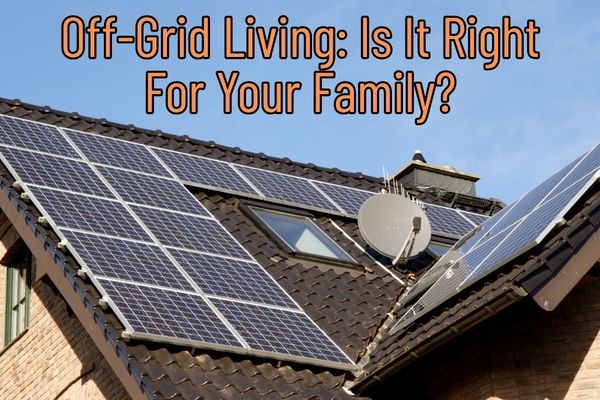
- Solar panels
- Battery banks (with lifespans typically ranging from 5-15 years)
- Backup generators
Batteries are the silent heart of any off-grid home and they can quickly eat through your budget.
I’ve learned from talking with people who live off-grid that cloudy weeks or harsh winters can drain even a good system.
5. Waste Management
There’s no cutting corners when it comes to dealing with wastewater.
Common systems include:
- Septic systems
- Composting toilets (where allowed)
- Greywater reuse systems
Improper waste handling can contaminate groundwater and create serious health hazards.
6. How Much Does It Really Cost to Go Off-Grid?
Going off-grid can reduce long-term utility bills, but startup costs are significantly higher than you may think.
Typical expenses include:
- Land purchase
- Solar system and batteries
(A basic 5kW solar system with battery storage can run $15,000-$30,000 installed) - Septic installation
- Well drilling
(Figure on $5,000-$15,000 depending on depth) - Construction materials
- Backup generator
In many cases, a modest off-grid cabin can cost as much or more upfront than a comparable grid-connected home.
7. Skills and Time Commitment
Living off-grid means you’ll be more hands-on with your home and the systems that keep it running.
You’ll need:
- Basic mechanical knowledge
- Routine maintenance habits
- Time for repairs and monitoring
If you travel frequently or lack interest in maintenance work, the lifestyle may feel overwhelming and not the right choice for you.
Essential Systems for Reliable Off-Grid Living
Dependable Shelter
Before anything else, your home has to be solid. A well-built structure makes every other system more efficient and easier to manage.
Your structure should be:
- Properly insulated
- Weather-resistant
- Built to code
I’ve seen first-hand with friends, putting money into better insulation or smarter building design saves you more money in the long run.
Redundant Systems
If you’ve spent any time preparing, you already understand the importance of backups. Off-grid living isn’t the place to rely on a single point of failure.
You’ll want to build in:
- Backup water filtration
- Generator backup for solar systems
- Spare parts for critical components
- Emergency communication tools
Having redundancy in place keeps minor problems from turning into serious situations.
Food Strategy
You don’t have to grow all your own food to live off-grid, but many households choose to supplement their groceries.
Common approaches include:
- Gardening
- Raising small livestock
- Maintaining a practical food storage plan
That said, learning to grow and provide your own food doesn’t happen overnight. It takes time to learn what grows well in your area and how to preserve it safely.
Start small, build experience and expand as you gain confidence.
Emergency Preparedness
Living farther from town often means help may take longer to arrive. Road access can be limited during storms and services may not be immediately available.
Prepare for:
- First aid supplies
- Fire prevention measures
- Clear evacuation routes
- Reliable weather monitoring
As my dad always said, being ready for emergencies isn’t about expecting the worst, it’s just part of being responsible.
And always be aware of your surroundings. You can find a detailed overview of situational awareness techniques here.
Common Mistakes People Make
Underestimating Energy Use
Many new off-grid homeowners assume they’ll use less electricity than they actually do. The result? Solar systems that can’t keep up and frequent power shortages.
I’d recommend spending a few months tracking your real energy use before sizing your system. It will make a huge difference in reliability.
Ignoring Seasonal Changes
One mistake I’ve seen repeatedly is underestimating winter. I visited a cabin in Vermont where the owners had a solar system sized for summer use only.
By December, their batteries were drained and they were running a noisy generator constantly just to keep the lights and heat on.
Skipping Professional Guidance
While DIY projects can save money, certain systems like electrical and septic should involve licensed professionals to ensure safety and compliance.
Overestimating Self-Sufficiency
Most off-grid households still rely on supply chains for fuel, equipment parts and specialized repairs.
Realistic expectations prevent disappointment. You’ll get the hang of it once you’ve been at it for a few months.
Moving Too Fast
Impulse land purchases without soil testing, water testing or zoning checks can result in major financial problems.
Taking the time to research will protect your investment.
Health and Safety Considerations
Something else my Dad always said: safety must always remain a priority.
- Install carbon monoxide detectors if using fuel-based heating.
- Maintain fire extinguishers in multiple locations. This is critical.
- Test well water regularly.
- Store fuel safely according to local codes.
- Maintain safe food storage practices.
Is Off-Grid Living Right for You?
Before making this major decision, ask yourself:
- Do I enjoy hands-on problem solving?
- Am I financially prepared for upfront costs?
- Is my family fully on board? You’ll want to make sure this one is a big Y-E-S.
- Do I understand local regulations?
- Can I manage unexpected repairs?
Make sure you weigh all the options and really think things through.
Pros and Cons of Going Off-Grid
Before making a final decision, it helps to see the benefits and trade-offs side by side.
Pros
- Greater Independence – You’re not reliant on public utilities during outages.
- Lower Long-Term Utility Bills – After upfront costs, monthly expenses may decrease.
- Increased Privacy – Remote properties often mean fewer neighbors.
- Closer Connection to Nature – Many enjoy the quieter pace and outdoor focus.
- Skill Development – Managing your own systems builds practical knowledge.
Cons
- High Upfront Costs – Solar, wells, septic, and land require major investment.
- Ongoing Maintenance Responsibilities – You are responsible for every system repair.
- Weather Dependence – Solar output drops in winter and cloudy periods.
- Limited Access to Services – Healthcare and emergency response may be farther away.
- Not Fully “Self-Sufficient” – Most households still rely on supply chains.
Key Takeaways
- Going off-grid is a big decision so plan carefully and expect upfront costs.
- Always check local laws, zoning and building codes before buying land.
- Reliable water, power, and waste systems are the backbone of any successful off-grid setup.
- Seasonal changes matter: account for winter, cloudy weeks and extreme weather.
- Backup systems and spare parts prevent small problems from becoming emergencies.
- Professional guidance for electrical, plumbing and septic work saves headaches and keeps you safe.
- Get ready for hands-on work every day and be honest about your skills, time and family support.
- Start small, build experience, and keep expectations realistic for long-term success.
Frequently Asked Questions
1. Is it legal to live off-grid in the United States?
It depends on local laws. Some areas allow fully off-grid homes; others require utility connections or building code compliance. Always check with your local zoning office.
2. How much does it cost?
Costs vary widely. Land, energy and water systems can range from a few thousand to $50,000+. Utilities may be lower long-term, but upfront investment is significant.
3. Can you live off-grid with a family?
Yes, but it requires teamwork, preparation and planning for schools, healthcare, and social needs. If your family isn’t 100% onboard, it’s a no.
4. Do off-grid homes have internet?
Most can. Options include satellite, cellular hotspots or fixed wireless, depending on location.
5. Is solar power enough for a household?
It can be, if sized right for your energy use. Backup generators or battery storage help cover cloudy days or high demand. Research is key here.
6. What about extended cloudy periods?
Solar output drops when the sun hides and batteries may run low. Backup systems are essential for reliability.
7. How do you get water off-grid?
Options include wells or rainwater (where legal). All require proper filtration, maintenance and adherence to health regulations.
Final Thoughts
I’ve spent years thinking about off-grid living, visiting remote properties and learning from friends who made the leap. The lifestyle can bring freedom, resilience, and peace of mind, but it’s not a quick escape from bills or responsibilities.
If you’re contemplating it, take the time to:
- Research thoroughly
- Talk to your family
- Test your skills
- Budget realistically
Jumping in without preparation can turn a dream into a daily grind. Done thoughtfully, off-grid living becomes a rewarding, hands-on way to take control of your life, without cutting yourself off from the world.
Bio: Anthony Vion is a lifelong preparedness enthusiast who has practiced outdoor living for over a decade and put great thought into making the jump to off-grid living.)
This article is provided for informational and educational purposes only. It does not constitute legal, construction, or financial advice. Off-grid living involves inherent risks. Readers are encouraged to seek instruction from qualified professionals and to take responsibility for their own decisions.