Introduction
Water is one of those things most of us don’t think about until it stops flowing. Turn the tap, fill a glass, rinse a plate, it’s automatic.
But anyone who’s dealt with a broken well pump, a storm-related outage or water restrictions knows how quickly that convenience can disappear.
For preppers and practical homeowners alike, water resilience is part of basic household planning. But what often gets overlooked is wastewater. Specifically, gray water.
I still remember the quiet after Hurricane Gloria tore through Long Island in September 1985. No hum from the refrigerator. No streetlights. Just the sound of generators a few houses down and the smell of damp wood in the air.
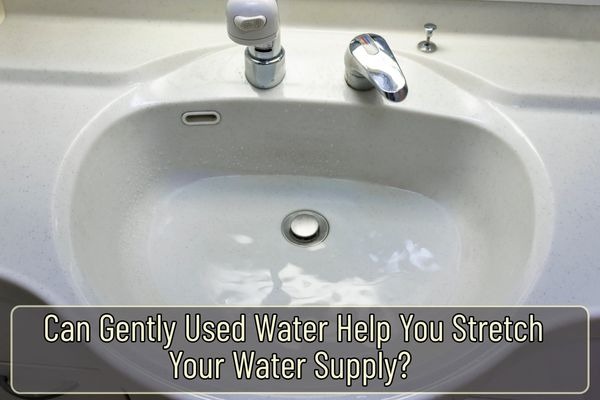
After two weeks without power, the taps ran dry and that’s when my dad showed me how gray water kept us going. In a prolonged outage, your stored water runs out. But your sinks, showers and washing machine don’t stop producing water the moment the grid goes down.
That makes gray water one of the only renewable water sources available during a crisis.
Handled responsibly, you’ll save water, extend your supplies and better support your daily household needs.
Here, I’ll break down what gray water is, why it matters, pros and cons, how to approach it thoughtfully and safely and more.
What Is Gray Water?
I asked my dad that very question way back in ’85. I wish I remembered his exact words, but they were basically along these lines. Gray water is gently used household water that comes from sources such as:
- Bathroom sinks
- Showers and bathtubs
- Washing machines
But I do remember his saying this very clearly. Gray water does not include water from toilets. That’s black water and requires far more complex treatment due to contamination risks.
Also, gray water may contain some soap residue, dirt, hair and even small amounts of organic matter.
While it is not safe for drinking, it can sometimes be reused for other purposes when handled properly and in accordance with local health codes.
Why Making Gray Water Usable Matters
Stored water eventually runs out. Gray water keeps being produced as long as you’re living in your home.
And every gallon reused is a gallon not drawn from your primary water supply.
In regions facing drought, water restrictions or rising utility costs, gray water reuse can reduce overall household water consumption and lower the strain on septic systems.
It also can support landscaping during dry periods and provide a backup plan during service interruptions.
If you’re thinking like a prepper, it just makes sense to squeeze as much use out of every drop as possible. If your household already uses water daily, finding safe ways to extend its usefulness simply makes sense.
Think about it this way. Your average shower uses 15-25 gallons of water. A load of laundry, 15-30 gallons. That’s potentially dozens of gallons per day that don’t need to come from your stored supply.
Legal And Health Stuff You Should Know
OK, here’s the lawyer stuff. Before implementing any gray water system, you’ll want to know all about your local and state regulations.
Laws certainly do vary considerably from place to place, but some basics you’ll always want to be aware of are:
- Avoiding direct contact with edible portions of plants
- Preventing pooling or runoff onto neighboring properties
- Using biodegradable, low-sodium soaps
- Preventing cross-connection with drinking water systems
Getting it wrong can create odor issues, attract pests or contaminate soil and groundwater. Practical prepper planning protects your place and your community.
So, What Do I Use Gray Water For?
Not a question you’ll probably hear too often, but it’s an important one. Gray water is typically suited for non-potable uses, such as:
- Landscape irrigation for ornamental plants
- Tree and shrub watering
- Flushing toilets (where permitted and properly designed)
It should never be used for drinking, cooking, bathing or direct irrigation of root vegetables or leafy greens
In preparedness planning, gray water supports secondary uses so that cleaner stored water can be reserved for hydration and hygiene.
Common Mistakes People Make
- Ignoring Local Regulations
Installing a system without checking codes can lead to fines or mandatory removal. - Allowing Water to Sit Too Long
Gray water should not be stored for extended periods. Stagnant water can develop odors and bacterial growth. - Overwatering Plants
Reusing water doesn’t mean using more of it. Oversaturation harms root systems and causes runoff. - Cross-Connecting Plumbing Systems
Mixing gray water lines with potable lines is dangerous and often illegal. - Skipping Maintenance
Filters, valves and diversion systems require regular inspection to prevent clogging and leaks. - Assuming It’s Safe for Food Crops
Direct irrigation of edible leaves or produce can pose contamination risks.
Also, I’ve seen gardens struggle because someone switched to a heavy-duty detergent without thinking about where that wash water was going.
Within a few months, the soil crusted over and the plants started yellowing. What goes down your drain eventually ends up somewhere.
Planning for Responsible Use
If you’re considering gray water reuse as part of your preparedness plan, start small and simple. I wish I had.
When I first tried diverting laundry water, I ran a 1-inch PVC line out to three young maple trees in the back corner of my yard. I thought I’d nailed it. Two weeks later I realized the line had settled unevenly and one tree was getting almost all the water. The other two were bone dry. I had to dig it up and re-grade the slope.
I’d recommend starting by evaluating your household’s daily water output. Then, confirm what gray water can be used for in your area and after that, take a look at the types of soaps and detergents you use.
Often, the safest way to get up and running is by using gray water to irrigate non-edible plants outdoors, with a simple gravity-fed system that meets local rules.
You can reach out to local health departments or extension offices for guidance. And professional guidance is a good idea for more complex systems.
Environmental Impact and Soil Health
Channeling my 11th grade science teacher, gray water contains nutrients such as phosphorus and nitrogen. These come from soaps and organic residue. In moderate amounts, these can support plant growth.
But too much is not so great for soil structure. We’re talking potential serious damage.
Playing the long game, you’ll want to check your soil every now and then to make sure it isn’t getting too salty. Also, be sure to rotate areas you’re watering, use plant-friendly cleaning products and monitor how your plants are doing over time.
Remember, healthy soil is living soil. If plants show signs of stress like yellowing leaves, poor growth or crusted soil, start making some adjustments.
You can find helpful tips in our guide to improving garden soil health.
Pros and Cons of Gray Water Reuse
So, what are the pros, you ask?
- Stretch your water: Every drop you reuse keeps your main supply flowing longer.
- Save some cash: Lower water bills are a nice bonus.
- Keep plants alive: Perfect for trees, shrubs and flowers during dry spells.
- Lighten the load on your septic system: Diverting gray water helps everything run smoother.
And then there are the cons:
- Needs attention: Filters, valves and pipes need regular checks to avoid clogs or leaks.
- Rules matter: Local laws can be tricky. Ignore them and you could face fines.
- Soil can suffer: Soap buildup or harsh detergents can harm plants over time.
- Mess if done wrong: Poor setups can stink, attract pests or even contaminate soil.
- Not one-size-fits-all: Some climates, soils and plants just aren’t suited for gray water.
Gray water isn’t a magic fix, and anyone who tells you it is hasn’t dealt with clogged lines in August heat. It works best as part of a broader water management strategy.
Key Takeaways
- Gray water comes from sinks, showers and laundry, never from toilets.
- It’s not safe to drink or use for cooking.
- Rules about gray water vary depending on where you live so checking your local regulations is a good idea.
- Using gray water responsibly can help stretch your household water supply.
- Harsh soaps, chemicals and poor drainage can harm your plants, soil and environment.
- Don’t store untreated gray water, use it promptly.
- Gray water reuse is a huge help, but you’ll need other systems in place as well.
- Safety and sanitation should always be at the front of your mind.
Frequently Asked Questions
1. Can I store gray water and use it later?
Not for long. Gray water starts changing quickly once it leaves the drain. Within a day, it can begin to smell and grow bacteria. If you’re thinking about storage, think “hours,” not “days.”
2. Is it okay to use gray water on vegetables?
That depends, mostly on what you’re growing and where you live. In many places, gray water shouldn’t touch anything you’re going to eat raw.
3. Will gray water make my yard smell?
It shouldn’t if it’s used promptly and distributed properly. Odor problems usually show up when water is allowed to sit. If you notice a smell, that’s a sign something needs adjusting.
4. What kind of soap works best?
Think simple and plant-friendly. Biodegradable products with low sodium and minimal additives are ideal. Heavy-duty cleaners, bleach and antibacterial soaps can build up in soil over time and stress plants.
5. Do I need a permit?
Maybe. Some areas allow basic gravity-fed systems without much paperwork, while others require permits and inspections. Regulations vary widely, even between neighboring towns. A quick call to your local building department can save you a headache later.
6. Can gray water replace my drinking water supply in an emergency?
Absolutely not. Gray water is never safe to drink.
7. What about my septic system, does diverting gray water help or hurt?
It can reduce the volume going into your septic tank, which may lessen strain. But plumbing changes done incorrectly can create bigger issues than they solve. If your system is older or already sensitive, it’s worth getting professional advice before rerouting anything.
8. Is gray water even worth considering if I live somewhere rainy?
Good question. In drought-prone areas, probably, yeah. In wetter climates, maybe not so much.
Final Thoughts
For preppers, gray water is simply a smart backup plan. It stretches your supply, makes use of what would otherwise go down the drain and adds one more layer of resilience.
From my personal experience, it’s about paying attention to what most people overlook. True water security doesn’t come from big, dramatic measures. It starts with using what you already have, wisely.
Also, if you’re interested, you can check out the basics of harnessing rainwater here.
(Bio: Anthony Vion is a lifelong preparedness enthusiast from Long Island, NY, with decades of hands-on experience in water management and practical survival skills. He specializes in teaching approachable, experience-based techniques that help households plan for everyday emergencies safely and responsibly.)
(Disclaimer)
This article is for educational and informational purposes only. Gray water systems carry health, safety and legal risks if handled improperly. Always follow local laws and regulations, use gray water responsibly and consult professionals for complex installations. You are responsible for your own decisions and actions.