SuperStorm Sandy wreaked some serious havoc here on Long Island in October of 2012. Bye bye electricity for over 2 weeks. Sure, I had my generators gassed up, but they weren’t running the whole house.
And especially not the heat.
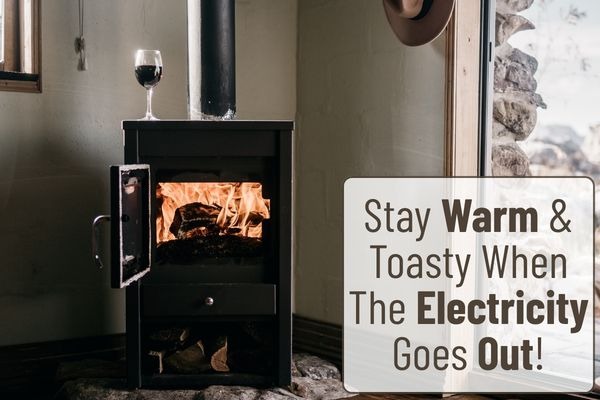
The days were OK, but at night it got cold, buddy. I was prepared with 4 cords of wood I split that summer and a wood burning stove. We stayed nice and toasty. A lot of our neighbors weren’t so prepared though.
Most heating systems, whether you’re running gas, oil or heat pumps, still rely on electricity to keep the fans, pumps, thermostats or ignition systems going.
So, what can you do to stay warm and heat your home when the power goes out? Well, let’s get into it.
Electricity Or Not, You Need Heat
Winter power outages or natural disasters can leave you without power for hours, days or even weeks.
When that happens, the temperature inside can drop surprisingly fast. A poorly insulated house can lose heat within hours, especially when outside temperatures are well below freezing.
You need to have alternate heating methods ready for when they do.
As Forrest Gump said, “that’s all I got to say about that.”
Wood Stoves: My Go-To
When I was six or seven, my dad brought our wood stove into the house. At the time, I was disappointed because I loved to sit by the fireplace and just watch the fire dance.
But when I got older, I realized how much money we saved on oil just by running the wood stove. My dad had a wood business on the side, so we always had plenty to fuel it. That thing threw off some heat, too.
The whole house, upstairs and down was warm even on the coldest of nights. And the oil burner hardly ever kicked on.
Aside from the wood stove being a big money-saver, we were especially thankful when the power went out. Which unfortunately, it did more than I’d like to remember. But we stayed warm.
And it even has some additional benefits. We would do some cooking on it. Not full meals, but chestnuts, popcorn and similar stuff.
And my dad would only have to get up once during the night to throw a few extra logs on. Yep, it definitely had some long burn times.
My dad was also a fiend for keeping the chimney clean, He’d break out the brushes and clean it before the season started and then again when we got a nice enough day in November or December.
Pellet Stoves – But There’s A Catch
Since most models rely on electricity to operate internal parts like augers and fans, you need a generator or battery system here.
But if you have that in place, pellet stoves can give off good heat using compressed wood pellets. I’ve never used one, but my friend Craig is always going on about their high efficiency ratings, consistent fuel use and better emissions than traditional wood burning.
Old School Fireplaces
Like I said, I loved mine when I was a kid. Most people just think of masonry or wood burning fireplaces as decorative. They do add a certain ambiance to your home.
But they will still throw off some meaningful heat.
Older open fireplaces are less efficient because a lot of the heat escapes through the chimney. But they can still provide warmth as a much-needed heat source during outages.
More advanced designs, like masonry heaters, take a different approach. These systems absorb heat from a fire and slowly release it through large stone or brick structures. Once heated, the masonry continues radiating warmth for many hours. Pretty cool.
Kerosene Heaters
Portable kerosene heaters are often used as emergency heat sources and can throw off significant heat for small or medium-sized spaces. Also, they are pretty easy to use.
They come with a big but though … proper ventilation and safe fuel storage are vital or you could cause the situation to get a whole lot worse in a hurry.
I’ve heard more than a few stories from friends who are volunteer firemen about kerosene heaters being the cause of fires in the winter. If you go this route, be super careful.
Many households keep them specifically for short-term heating during winter outages and don’t look to warm your entire home with them. They’re better for central living areas.
Propane Heating Options
Propane is a favorite heating source in off-grid homes and rural areas where natural gas options are limited. And some propane heaters are designed to work without electricity, relying on pilot lights or manual ignition.
These systems range from small indoor-safe heaters to larger wall-mounted units. When connected to a propane tank, they can serve as a solid alternate heating method when the power fails.
In prepper circles, propane is often talked about as versatile fuel because it can be stored for long periods without going bad.
For homes already equipped with propane tanks for cooking or heating, this is a simple, excellent option.
The Power Of The Sun … And Insulation
You don’t necessarily have to burn anything to stay warm. With passive heating, you just capture and harness the natural warmth of our old friend, the sun.
Some common methods include:
South-Facing Windows – If your house gets sunlight through windows on the south side, you can naturally warm your interior spaces there during the day. Sunlight passing through glass becomes trapped inside, increasing indoor temperatures slightly. Every little bit helps.
Also if you have solar panels, you’re ahead of the game here.
Thermal Mass – The brick, stone and concrete in your house absorb heat during the day and release it slowly as temperatures drop.
Heavy Curtains and Insulation – Preventing heat from escaping is just as important as generating heat. Put up some thick curtains, draft blockers and make sure your windows are really sealed well to help keep the warmth inside.
Insulation in walls, ceilings and floors also slows heat loss, allowing any heat source to work more effectively.
For ceilings, you want at least R-49 grade insulation to keep that warm air from rising right out of your house. R-60 would be better. For walls and floors, R-30 is where I like to be.
Keep Your Heat Centered
During extended outages, I know you’d like to keep the entire house warm but unfortunately that’s not always practical. Instead, many people focus on keeping one or two rooms warm.
If you build a tiny bug-out house, like my college roommate, Brett, keeping it warm is a whole lot easier.
This reduces the amount of energy you need to keep comfortable temperatures.
What you want to do is close the doors to rooms you aren’t using, hang some blankets in the doorways to keep the heat in, use rugs to reduce losing heat through the floor and have everyone hang out in the same room.
Dress Warm and Sleep Warmer
Dressing in layers, wool blankets and insulated sleeping bags can dramatically improve your body temperature even when indoor temperatures drop.
And don’t forget to cover the windows at night to reduce heat loss.
Final Warm Thoughts
I hate to say it, but at some point during your life you’re probably going to experience a power outage in the colder months.
Just be prepared to keep your house warm another way for a little while and you’ll get through it without any problems.
Stay warm, my friends.
BIO: Anthony Vion is a lifelong prepper from Long Island, NY, with decades of hands-on experience in emergency planning. He focuses on practical, approachable strategies for managing food supplies, power, water and other essentials and helping households stay safe and resilient during everyday disruptions.
This article is intended for educational and informational purposes only. Readers are encouraged to seek instruction from qualified professionals and to take responsibility for their own decisions.