Floods don’t have to be of biblical proportions to be utterly destructive.
In October of 2012, when SuperStorm Sandy hit, the floodwaters were 13 feet high in some places. Basements and first floors of homes were ravaged on Long Island.
My mom’s cousins live on the water in Massapequa and they lost everything. Everything they owned, including a baby grand piano that was in the family for generations, floated out to sea and they could do nothing but watch.
But it could have been worse for them. A lot of people lost their lives in the floodwaters of Sandy.
Flooding is an all-too-common natural disaster that hits with very little warning, as heavy rains and storm surges seem to come out of nowhere.
So, how do you prepare for a flood? And more importantly, how do you survive if you are unfortunate enough to get caught in one?
Assess Your Flood Risk
Some people think that you only have to worry about floods if you live on the coast. Sure, your odds of dealing with floods are greater in coastal areas, no doubt.
But oh boy, there are so many other things to factor in. Low-lying inland areas and neighborhoods near rivers and creeks need to keep an eye out for flooding, too. Last year, a pond collapsed in Stony Brook near me and the water damage destroyed a few nearby homes.
And don’t forget urban areas with poor drainage. You could be in trouble here, as well.
But should torrential downpours hit for long periods of time, all bets are off and no one is safe from flooding.
To assess your level of risk though, think about if you’ve had floods in the area before. Are there seasonal rainstorms or snowstorms that will affect you? If so, you are higher on the flood risk list.
Have A Plan
My motto is to always be proactive, not reactive.
When you want to be prepared for possible flood issues, safety is the first priority. And that means knowing where the evacuation routes are. Have at least two ways to get out in case one becomes impassable and do it fast.
You can always get more stuff.
Then you’ll want to have a communication plan in place and make sure everyone in your household knows it. Who to contact if you get separated? Where to meet if you can’t get home? How are you going to see the emergency alerts? All very important.
And don’t forget about your pets. You’ll want to grab some food for them too, if you can. Also, carriers and any medicines, along with your own and any family members’ meds.
Essential Supplies to Have Ready
You don’t have to go crazy here, but you’ll want enough to get you and your family through for a few days.
The most important thing is clean drinking water, I’d say at least a gallon per person per day. You’re not going to be able, or want to, drink that water that’s racing down the street.
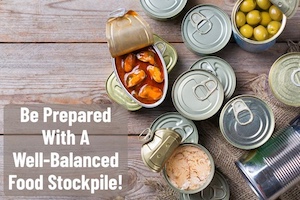
For food, think canned or dried. Things that aren’t going to go bad. Flashlights, batteries, a first aid kit, portable phone chargers are must-haves. Also, any important documents you have should be sealed in waterproof containers. Zip-lock freezer bags work well.
Then some nice-to-haves are rubber boots and gloves, a few basic tools and a battery-powered radio so you can get the latest news.
Have everything in one convenient spot so you can just grab it and go.
Preparing Your Home For Floods
If you have time before a storm or flood hits, clearing the gutters and drains will help water flow away from your house. Move valuable items and electronics to the 2nd floor or higher levels to try to keep them safer.
Have some sandbags filled or you can try to use other barriers to stop water from getting into the house. And if you have any cracks in the foundation or walls, seal them up so water can’t get in there.
A sump pump is a good idea, too.
When Flooding Begins
When water starts rising, you’ll want to make sure you keep on top of the latest info. Weather alerts, radio updates or official emergency notifications.
Don’t get too caught up in rumors and I’d stay away from social media since it’s not easy to determine what’s real vs. what’s fear, similar to food shortages.
Floodwaters can be very strong, so you’ll want to do your best to stay out of them. Turn off the electricity and gas if you can and then move to higher ground.
If the water has you trapped in your home, get to the highest level. Just avoid closed spaces, like attics, that don’t have an exit.
Evacuate Safely
When the floodwaters hit, or preferably before, you want to get out of harm’s way as soon as you can. Follow the designated evacuation routes if there are any. If not, take one of the alternate routes from your plan.
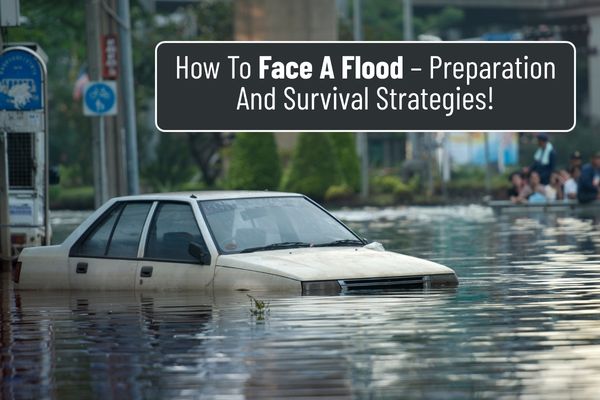
Avoid driving if possible and go on foot. You don’t want to get caught up in the floodwater in your car. Keep your emergency kit with you and make sure at least one person knows where you’re going.
And if water covers the road, don’t attempt to cross it.
If you get trapped outside, try to stay calm and move to the highest point possible. Then signal for help with lights, bright clothes or even by making some noise.
Returning Home After The Flood
Your instincts will tell you to get back home as soon as you can, but you’re better off waiting for the “all clear.”
When you do get back, it’s time to check for any structural damage. Cracks in the walls, sagging ceilings and anything else that looks unsafe. Don’t turn any electricity or gas back on until the systems have been checked.
Be sure to wear protective gloves when you start to clean, too, because bacteria, chemicals and other harmful stuff are probably floating around in that floodwater.
The cleaning can definitely take a bit of time, so make sure the area is ventilated well. Toss soaked materials that can’t be properly cleaned, disinfect surfaces and dry out the space as best you can to prevent mold.
Final Thoughts
Flooding can come out of nowhere, ramp up very quickly and turn into a life-threatening situation in minutes or even seconds. So, you want to be ready for anything.
Always be alert and aware of what’s going on. It’s that situational awareness that will buy you time and keep you calmer while others are panicking.
Review your emergency plan a few times a year, rotate stored food and water so they are still good when you need them and check your first aid kit, radio and batteries occasionally.
Being prepared, organized and understanding the risks of flooding will help keep you safe. And remember, that’s the main goal in any crisis.
Stuff is just stuff and can be replaced.
(BIO: Anthony Vion is a lifelong prepper from Long Island, NY, with decades of hands-on experience in emergency planning. He focuses on practical, approachable strategies for managing food supplies, power, water and other essentials and helping households stay safe and resilient during everyday disruptions.)(Disclaimer)
This article is intended for educational and informational purposes only. Readers are encouraged to seek instruction from qualified professionals and to take responsibility for their own decisions.