OK, so you’ve probably seen “Rambo”. And just looking at Sly, you know that guy must have some serious prepper skills. But life isn’t the movies, and bow hunting definitely isn’t as easy as it looks on the big screen.
It combines patience, discipline and arm strength along with the perfect touch of knowing just when to draw that string back and then let it rip.
But when the arrow leaves your bow and you see it take down that deer, rabbit or whatever other game you’re going for, it’s like magic. And you now have dinner for you and the family.
One of the biggest reasons preppers gravitate to bow hunting is the stealthy approach. That blessed quiet that’s like night and day from rifles. It’s huge when you want to keep the noise down and not scare everything else away. Also, for where gun rules are tighter.
Bows come in all kinds of types and price ranges, so you don’t need to spend a fortune to get started. Take care of them, they can last for years and you can fix or replace most parts if needed.
But for me, the best part is getting up close with wildlife. It really sharpens your senses, hones your tracking skills and most of all teaches real patience.
Let’s Get Started
First things first. You can’t just grab a bow and run into the woods. You need a bow hunting license.
These are regulated at the state level, so head on over to your state’s wildlife or natural resources department site. You can check bow hunting rules, seasons and license requirements there.
You’ll most likely have to take a hunter education course covering safety, ethical hunting practices and wildlife conservation. If you can, I’d take it online.
Then of course, they make you buy the license. Nothing’s free anymore. They may get you with special permits, too, if you’re going for a specific animal.
And in some states you have to report what you bring down so they can track the population. You know, wildlife conservation stuff.
The Essentials
There are three main types of bows and it’s important to pick the one that you’ll be most comfortable with. What feels good in your hands.
If you like traditional and simple, I’d recommend the Recurve Bow. It’s straightforward, reliable and gives you that classic feel for bow hunting.
It’s a favorite for beginners as well as action heroes. The Compound Bow uses a pulley system to make drawing easier and improve your aim. It’s more forgiving when your pull is off which helps build up confidence.
Or if you’re into the timeless bow hunting look and feel, or if you’re a Lord of the Rings nut, the Longbow may be your option. But don’t think you’re going to be taking out prey like Legolas anytime soon. It takes a bit more skill to master.
Next, you’re not going to get very far in your bow hunting journey without arrows. Go with the standard carbon or aluminum ones. They’re light and durable. Just make sure the size of the arrows is a fit for the bow you’re using.
I always laugh when I see a first-time bow hunter buying arrows and looking at the tips a bit confused. Most arrows just come with field points for practice. You have to buy the sharpened broadheads separately so you can match them up with your setup and swap them in before you head out to hunt.
There are a few other accessories you probably want. Bow sights are helpful when you’re aiming for those far shots. And arrow rests provide nice support so you’re comfortable and always shooting consistently.
If you’re using a compound bow, you may want a release aid, but totally optional. What’s not optional is the protective gear like arm guards, finger tabs or gloves. No sense in getting an injury you could have avoided.
Getting Your Techniques Right
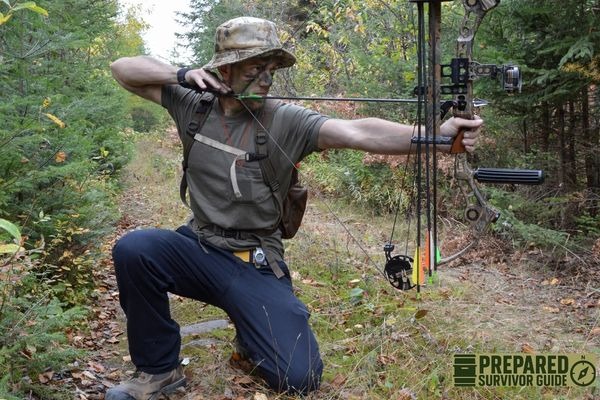
OK, so you’re out in the woods. You picked your spot against that cedar tree. You’ve been patient, quiet, not jumping at the first sound of moving grass or crackling sticks. But now it’s time. You see your target and it’s in your range.
Now it starts with how you position your body. You want your feet about shoulder-width apart. Keep your body relaxed. Tense up and that arrow is going to fly off target for sure. For your shoulders, line them up with where you want that arrow to go.
And as my fourth-grade teacher embedded in my brain, no slouching. Keep that back nice and straight so you’re balanced.
Forget all about Legolas here when it comes to drawing the bow. Try pulling your arrows back that fast and you’re more likely to sprain your shoulder than hit a deer.
Smooth, controlled movements. That’s what you want when drawing the string to I’d say about the corner of your mouth or chin. Slow and steady. And not too much coffee beforehand. You want your bow arm as steady as possible.
When aiming, focus on your target not the arrow. It sounds like some kind of meditation tape advice but visualize the arrow in your prey before letting go. Go on instinct for shorter-range shots, but a bow sight is helpful for those longer distances.
Then, when it’s time, no jerking or flinching. Smoothly release the drawstring and follow through by staying in your stance for a few seconds. And let that arrow fly.
Even if your target is crystal clear, make sure you are aware if there’s anything, or more importantly, anyone behind it. Missed arrows can travel a lot farther than you think.
All that said, you’re not going to have much success with any of this unless you practice, practice, practice. And then practice some more. Start with shots around 10-20 yards and go longer from there once you keep hitting that bullseye.
Oh yeah, one more thing. Keep an eye on the wind for a few reasons. If animals are downwind of you, they’re probably going to smell you and get scared off. Also, if the wind is on the stronger side, you’ll have to account for that with your shot. Definitely not as much as in golf though. Make that part of your practice routine.
Final Thoughts On Bow Hunting
Bow hunting is an invaluable prepper skill that forces you to slow down, think clearly and reinforces the importance of taking in your surroundings.
You’re not trying to become John Rambo or pull off impossible shots like Legolas (don’t even try).
You’re going to miss shots. You’re going to have days where nothing shows up and you may end up having pizza for dinner.
But when you stick with it and keep practicing, you’ll get better, be more confident and more times than not, you’ll be bringing home dinner and cooking it over a campfire.
Anthony Vion is a lifelong prepper from Long Island, NY, with decades of hands-on experience in outdoor living, self-reliance, and practical skill-building. He focuses on breaking down complex ideas into clear, usable advice that readers can actually apply. When he’s not writing, he’s in the field-testing gear, refining techniques, and continuing to develop the kind of skills that matter when it counts.
This article is provided for general informational purposes only and is not a substitute for professional training or official guidance. Bow hunting involves inherent risks, and readers should seek instruction from qualified experts, follow all applicable laws and regulations, and use proper safety practices at all times. The author and publisher are not responsible for any actions taken based on this content; readers assume full responsibility for their decisions and conduct.