Every time I see them, I cringe. Those little moth-like bugs flying around the kitchen. My house has been pretty locked down for the last 20 years or so, but I still see them at my mom’s house from time to time. Talk about flashbacks.
The apartment I previously lived in had a big bug problem. I just couldn’t get rid of them. Any open container of rice or pasta was a magnet. I would double seal everything. And they still kept coming.
I can’t tell you how much flour and cereal I threw away. But I learned the secrets.
It doesn’t take much for a well-planned stockpile to turn into a breeding ground for pantry pests. And once they’re in, you want to get them out fast. The good news is you can take care of the problem without too much craziness.
Knowing Your Enemy
Pantry bugs aren’t a sign that your home is dirty. In most cases, they are stowaways hiding out inside the food you bought.
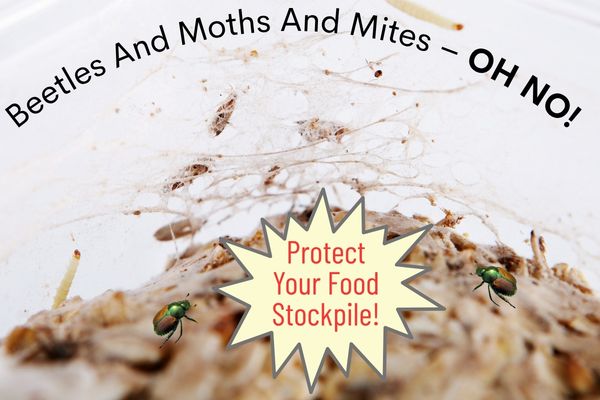
Common culprits include grain weevils, flour beetles, Indian meal moths and sawtoothed grain beetles.
You can’t see their eggs, as they’re mostly invisible to the human eye. And worse, they can survive standard packaging. Given time, warmth, and oxygen, they hatch and spread. No one wants that.
When you’re building a food reserve, bugs can do serious damage as a small infestation can quietly ruin a large portion of your supply if left unchecked.
Immediate Containment: Stop the Spread First
You’ve probably seen the tell-tale signs already. Webbing, small larvae, movement, and those flying moths. First things first, your priority isn’t saving every item. It’s containing them that’s the problem.
You want to move affected items away from everything else. Anything that looks suspicious, place it in a sealed bag or container. Don’t leave it sitting in your pantry while you decide what to do.
If you’re not sure about nearby items, treat them as potentially affected. Pantry pests spread a lot faster than you might think.
Some items are not worth saving. If you see active infestation, live insects, larvae, or heavy webbing, toss the food immediately. Seal it tightly before throwing it away and take it outside. Leaving it in your kitchen trash gives those pests a second chance at your stockpile.
Now it’s time to break out the vacuum and the cleaning supplies. Vacuum those shelves, corners and seams thoroughly. Wipe all surfaces with warm soapy water. Those nightmare pests like to hide in cracks and joints, so make sure you hit every spot.
Even small specks of food can support another cycle, so be diligent. I don’t use any harsh chemicals in my food storage areas. Clean, dry surfaces are all you need.
Then check everything nearby. Rice, pasta, flour, cereal, beans, pet food. You’re looking for the tiniest traces of fine dust, clumping, or holes in packages. Take a few extra minutes here. You want to do everything you can to avoid reinfestation.
Short-Term Salvage Mission
You don’t need to throw everything away. If there’s no visible signs of infestation, there are ways to reduce the risk.
Freezing works the best, in my opinion. Placing dry goods in the freezer for several days can help kill off eggs or larvae that you don’t see. Use airtight bags or containers and leave them frozen for at least 3-4 days. And don’t put them back in the pantry until they return to room temperature.
You could treat grains with heat as well at a low oven temperature, but it’s easy to mess them up a bit if you’re not careful.
But if something feels off, just let it go. It’s not worth the risk.
Long-Term Prevention
Once you get rid of those pests, you definitely don’t want them ever coming back.
When I first went through this horror show, I immediately upgraded my storage containers. We’re talking food-grade buckets with tight-sealing lids, glass jars with gasket seals and durable plastic containers specially made for dry goods.
Flour, sugar, rice, pasta, everything you can think of went into see-through containers. They make it much harder for pests to survive and spread.
Make sure the elements are right. Shoot for a place where it’s below 70°F, dark and most importantly, dry. The biggest mistake I made all those years ago was storing my stockpile in the kitchen pantry, which was way too close to the oven.
I swear by the “first in, first out” rotating system and labeling everything with name and date. When you do a sweep every month or so, put a bigger eye on the stuff that’s been in there longer.
I had a container of whole wheat flour we hadn’t used for ages. It was way in the back and got lost. The seal must have worn because I saw the movement in there quickly. The food went right into the outside trash can, container and all.
And when I hit the grocery store, I examine every package I buy carefully for the tiniest damage. You should see the look my wife gives me. But one small hole could lead to a horde of bugs in your stockpile, so I’m good getting that look.
My neighbor, Mike, tells me he sprinkles some bay leaves around his stockpile as a natural deterrent. That may help, but I’d do it in addition to everything else.
Common Mistakes That Lead to Infestations
Let’s start with the biggest and worst: Storing food long-term in its original packaging. That packaging is definitely not made to last, and pests will find a way in. Do yourself a favor and transfer your items to containers as soon as you get them.
This is one you will never, ever catch me doing. My wife used to be a waitress and in the restaurant business, it’s similar to “marrying” things together. When you mix new stock in with your older stock to consolidate them, you’re asking for problems. Even if it’s inspected very carefully, I’m out.
Listen, everyone is busy but make the time to do regular stockpile checks. Even if it’s once a month. If you let that slide, don’t be surprised if you start seeing those pesky moths flying around.
Keeping food in warm or humid areas and not wanting to part with “questionable” items rounds it out. When in doubt, toss it out.
Final Thoughts
If you see something flying around by your food stockpile or in your pantry, just know that’s the tip of the iceberg. By that point, it’s too late and you have some serious work to do to get back to your bug-free lifestyle.
It’s beyond frustrating, especially when you think you are doing everything right. Transferring your food to airtight containers, doing stockpile checks, keeping everything cool and dry.
Sometimes stuff just happens and you have to deal with it.
Find the offending party or parties and take care of them. If something looks off, dump it. See what you think you can save and get it in the freezer.
Then clean, clean, clean.
Your stockpile is more than just your food supply. It reflects how you manage risk and stay prepared.
Keep your food supply protected and you’ll thank yourself later.
Anthony Vion is a lifelong prepper from Long Island, NY, with decades of hands-on experience in food storage solutions, self-reliance, and practical skill-building. He focuses on breaking down complex ideas into clear, usable advice that readers can actually apply.
This content is for general informational purposes only and does not constitute professional food safety advice. Use your best judgment and follow established food handling and storage guidelines