As a kid, I can’t tell you how many times I heard my mother yell, “Make sure you drink enough water. You don’t want to get dehydrated.”
But when it comes to food, dehydrating is a totally different ballgame. Fresh food goes bad fast and if you’re anything like me, it kills you having to toss those tomatoes or apples into the compost heap because you didn’t have time to finish them.
About five years ago, my wife bought me a food dehydrator for my birthday and it’s one of the best gifts I have ever gotten. It’s not a fancy one with all the bells and whistles, but now I take overripe fruit, extra vegetables, or bulk buys and extend their lives from days to months.
That becomes a bigger deal in an emergency. Say the power goes out, you just got back from your weekly grocery run and the fridge is packed. If you don’t have a generator, you’re looking at the real possibility of losing a lot of food fast.
And something I never really thought about. Fresh food takes up a lot of space while dehydrated food is light, compact and easy to stash in a bag if you ever need to move quickly.
Freeze-dried food gets a lot of attention, but it’s expensive. Canning is a good option, just a different approach. Dehydration lets you build your own supply using groceries you already buy or food you’re going to throw out.
And all you’re really doing is removing the moisture. Not to “Bill Nye, Science Guy” you, but that’s what slows down all the stuff that makes food go bad in the first place, bacteria, mold, all of it.
Store it the right way and that same food can sit for months or sometimes even years without going bad.
Food That Works Best
Pretty much most things from my garden that I can’t help myself from overplanting every year (even though I don’t have as many people to give them away to anymore) is a good candidate.
Vegetables like carrots, onions, peppers, tomatoes and zucchini are some of my go-tos. I’ll toss them into soups and stews all year ‘round after the harvest season is over.
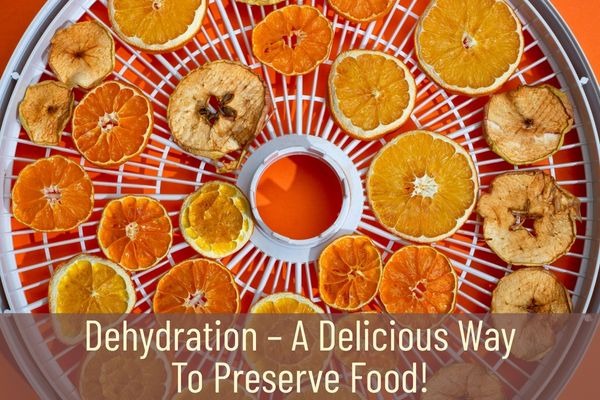
If you’re just starting out, fruits are a good way to get you going. Apples, bananas, berries, mangoes, they all work. More “Bill Nye, Science Guy” stuff, the natural sugar helps preserve them and keeps them tasting decent after drying. I’m hooked on banana chips these days.
Now, let’s talk jerky. Beef and turkey are probably the most popular these days. I’m getting into chicken, too. But my absolute favorite is Venison. A few times a year, my friend Aaron will bring me two or three packages after a hunting trip. So good.
Believe it or not, salmon is really good, too. I tried tuna once but wasn’t really a fan. You can use white fish, as well.
For all of it though, you want leaner cuts. I learned that fat doesn’t dry well. And slice it thin.
As for other proteins, my father-in-law used to do eggs and beans. The beans were pretty good, but it’s a hard pass on the eggs for me. It’s a good option if you have a backyard set up though and not enough folks to sell them to.
I’ll finish it off with a few more of my favorites. Garlic, herbs and spices. It’s night and day working with these when cooking instead of the store-bought stuff. At the end of the growing season, it takes me almost a day just to do all the basil, but man, is it worth it.
Old School Dehydrating
When I’m working with hot peppers, herbs and even sometimes thin slices of fruit, I like air drying. I’ll hang the chilis, tabascos and habaneros on string across the window in the kitchen. My wife didn’t love it at first, but she got used to it.
I’ll just leave the other stuff on the counter and give it time. Just make sure it’s not too humid.
The easiest option for most people is probably oven drying. Just set the temperature low, I’d say somewhere between 140-170°F, and crack the door a bit so moisture can get out.
You can also let the sun do the work for you. I don’t love this one, but if you try it just make sure you use some kind of screen to keep the flies off.
Electric Food Dehydrators
This route is faster and easier for sure because you’re getting consistent airflow and controlled heat. What I also really like is the shelf-style units in mine. Stackable trays work well though if you’re just doing small batches.
Adjustable temperature control is important because different foods need different settings. I learned this one the hard way. You want even airflow, so everything dries the same. And make sure you get one that’s easy to clean. If it’s not, you’re probably not going to use it much after that first time.
How To Do It
After you wash the food, you want to make sure you slice it evenly. Having big chunks and tiny pieces together isn’t going to end well. You can put some lemon juice on fruit if you want to pre-treat it.
Then lay everything out in a single layer, set your temperature and let it dry. Just make sure there’s no moisture or soft spots when it’s done. You’re going for crisp or leathery.
Storing Your Dehydrated Food
Airtight is the goal. Vacuum sealing is better. Mylar bags with oxygen absorbers are about as solid as it gets for long-term storage.
Cool. Dark. Dry. That’s the formula if you’re on a five-acre farm or in a tiny apartment.
Fruits usually hold for about a year. Vegetables can go one to two years. Jerky is shorter unless you’ve cured and stored it properly. But honestly, if it’s Venison jerky, you’ll have it eaten way before then.
Final Thoughts
Dehydrating food is about making sure you’re not wasting what you already have.
You don’t have to get crazy like me, hanging hot peppers out to dry across windows like they’re Christmas decorations. And you definitely don’t need to run out and buy expensive equipment.
Check the counters or fridge and see if there’s anything on the verge of going South. When there is, get dehydrating.
The most important part of it to me is cutting down on waste and making the most of the food I have. And in the process, I’m also saving some money. Once you get started, I think you’ll really appreciate those things, too.
It’s a simple skill. But it’s one that pays off every single time you use it.
FAQs
What’s the biggest mistake beginners make?
Without a doubt, it’s not drying food completely.
Is dehydrated food still nutritious?
Absolutely. I mean, sure some vitamins may drop off, but it’s still a solid way to preserve food without losing everything.
Can you dehydrate raw meat safely?
Not as-is. It should be cooked or properly cured first to reduce risk. Jerky is the go-to example.
How do you rehydrate food?
Add water or throw it straight into soups and stews. Hot water speeds things up.
Does humidity affect dehydration?
Big time. If the air is humid, drying takes longer and can be less consistent.
How do you know when food is fully dehydrated?
It shouldn’t feel sticky or soft anywhere. Fruit should be leathery, vegetables should snap or feel brittle.
BIO: Anthony Vion is a lifelong prepper from Long Island, NY, with decades of hands-on experience in outdoor living, food preparation, self-reliance, and practical skill-building. He focuses on breaking down complex ideas into clear, usable advice that readers can actually apply.
This article is for informational purposes only and does not constitute food safety or food preservation advice. Always follow proper food handling and storage guidelines.