When you think about being prepared, you’re probably picturing shelves stocked with all different kinds of canned food, stored water containers and backup power supplies. Yep, pretty much what my cellar looks like.
But believe it or not, there is something so much bigger. Something that makes all those things possible in the first place.
Natural resources. And more importantly, why conserving them is vital to your preparedness plans.
Water, soil, forests, fish, and wildlife are what keep us alive. If those natural resources disappear, good luck to all of us.
My brother-in-law, Dave, is a second-grade teacher and every year his favorite lesson is on conservation. The way he breaks it down for the kids is so simple, too.
Reduce, reuse, recycle.
Use what you need. Simple changes like turning the water off when you’re brushing your teeth can save gallons of clean drinking water a week.
Give that glass pickle jar a second life. I fill them with screws or nails or other small things in the garage. You’ll be surprised how much easier it is finding what you’re looking for too, instead of rummaging through a drawer filled with everything.
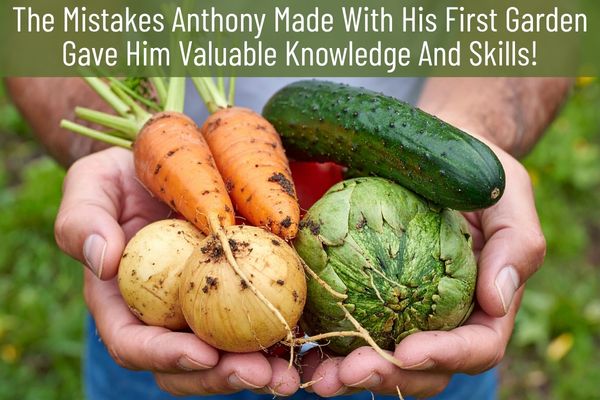
And everyone who knows me is well aware of my obsession with composting. Those fruits and vegetables that start to look questionable go right in the garden where they become food for the next crop of tomatoes, peppers, cucumbers and so on.
Some of my best conservation habits are simple everyday decisions. And when you buy into the “reduce, reuse, recycle” mantra, you become more efficient, self-reliant, and resilient in the long run.
Natural Resources = Prepper Gold
You can talk about money all day long, but real wealth is clean water, healthy soil, fish, and wildlife. The problem though is most people don’t give those things much thought at all.
Think about it. How many times have you seen sprinklers on in your neighborhood during a downpour. For me, it’s pretty much every time it rains.
There’s a small pond by me that I always fished in when I was a kid. No one fishes there anymore because there aren’t any fish there anymore. And seems like every time I turn around, more woods are getting bulldozed to put up houses when there are a thousand “For Sale” signs up in the area.
That’s why conservation is more important now than ever before. When we protect these precious natural resources, we’re also helping to ensure that they will be here for us tomorrow.
Water
Water is at the center of every survival conversation, and it should be. It’s needed for pretty much everything in life. Drinking, growing food, supporting wildlife, hygiene, and keeping entire ecosystems going.
And to most people, it probably feels like there’s an unlimited supply. But there definitely isn’t. In fact, we have no way of making “new” water. The water we have today is the exact same water that was here when the dinosaurs roamed the earth millions of years ago.
It just takes on different forms. So, I guess you can say, we’re basically working with the same water that’s always been here.
Pollution and contamination are big concerns that take massive efforts to fight.
But overuse and poor management are things we can help control every day. Take shorter showers, fix that leak as soon as you see it or that toilet that keeps running. You don’t need to have the water on when you’re shaving or scrubbing dishes.
Only run the dishwasher and washing machine when there’s a full load. Water the lawn early in the morning and only when it needs it.
Those are just a few things you can do. My friend, Dan, catches the water in the shower while he’s waiting for it to warm up and reuses it to water his vegetable plants. OK, that one takes a little bit of work, but every little bit does help.
And although you can’t drink it, there are plenty of smart ways you can reuse gray water, too.
Once you start paying attention to conserving water, you’ll find that helping to save life’s most precious resource is a lot easier than you’d think.
Fish and Wildlife
My nephew, Tristan, loves to fish. But when he was younger, he didn’t love fishing with me. He wanted to keep everything he caught, even when it was nowhere close to being a “keeper.”
And me, I’m all about size limits and bag limits. So, he would give me his angry face when I would make him throw those little guys back. But he did it. And today, he’s responsible without anyone having to tell him.
I never understood why people want to keep those baby snappers and fluke. Aside from barely being any meat on them, you’re not giving them a chance to repopulate the waters. Add that in with overfishing and those populations can take years to recover, if they do at all.
Same for wildlife. Deer, waterfowl, and other game populations can suffer the same fate, maybe even worse because overdevelopment is destroying their habitats. When they run out of places to live and things to eat, we’re soon going to run out of them.
Habitat Protection
For wildlife to thrive, they need forests, wetlands, grasslands, and waterways that provide food and shelter. And it’s our responsibility to preserve their environment so they can continue taking care of us.
If we don’t, that’s less food for us down the road.
The Prepper Conservation Mindset
Over the years, I’ve gotten a lot better at not wasting things. To the point where my wife just gives me that look when I take a banana peel out of our garbage. Those get buried right under the rose bush out front.
If I cut a piece of plywood, I save the scraps because chances are I’ll use them for something else later. You’re always looking for a shim to shore up a wobbly table.
Food going bad, right in the compost pile. I know a lot of people have actual composters, but I just throw it right in the garden and rototill it in around the plants. And coffee grounds go around the tomatoes.
And even though I’m not the handiest person, if something breaks, I always try fixing it first before replacing it. I’m getting better with this.
If you spend a lot of time outside, you probably notice stuff like this, too. Not as many deer on the trails you hike, less fish in the lake when you drop your line in on the weekend and so much water being wasted all over the place.
Nature is tough and can bounce back from a lot, but not if we keep acting like these resources will always be here no matter how badly we abuse them.
Final Thoughts
And it’s all laid out in Dave’s second-grade lesson plan. Reduce. Reuse. Recycle. It sounds so easy, and it is.
Start by reducing how much water you use. Find ways to give things you’d normally throw away another purpose. Recycle your aluminum cans, cardboard, and those fruits and veggies that are going bad.
Just a few habit changes starting at home can make a real difference in helping to conserve our precious natural resources.
I feel good when I do it, and I think you will, too. And maybe the most important thing is, those resources will still be around when your grandkids and their grandkids need them someday.
BIO: Anthony Vion is a lifelong prepper from Long Island, NY, with decades of hands-on experience in conservation, self-reliance, and practical skill-building. He focuses on breaking down complex ideas into clear, usable advice that readers can actually apply.
This content is for general informational purposes only and does not constitute professional conservation advice. Always follow local laws, regulations, and environmental guidelines regarding fishing, hunting, water usage, land management, and wildlife conservation in your area.